
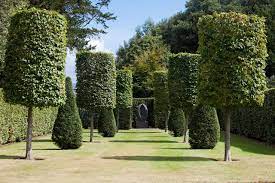
What Are Tree Loppers and What Role Do They Play in Urban Canopy Maintenance? Tree loppers are specialized arborists who manage the health and structure of urban trees through strategic cutting, trimming, and maintenance techniques. These professionals serve as guardians of the urban canopy—the collective tree cover spanning city streets, parks, and private properties that forms a living infrastructure above our heads. The urban canopy delivers critical environmental services that make cities livable. Trees filter pollutants from the air, reduce surface temperatures during heatwaves, manage stormwater runoff, and provide essential habitat for urban wildlife. Without proper maintenance, this green infrastructure deteriorates, leaving cities vulnerable to increased heat, poor air quality, and diminished biodiversity. The craft of urban tree maintenance requires: Tree loppers work within a complex framework where every cut influences a tree’s long-term vitality. Their decisions affect not just individual specimens but the broader urban ecosystem. A skilled tree lopper recognizes that maintaining the urban canopy means preserving the environmental, social, and economic benefits that healthy trees provide to communities. This specialized work demands both physical capability and deep understanding of arboricultural science. How Do Tree Loppers Differentiate Between Pruning and Lopping Techniques? Pruning vs lopping represents a fundamental distinction in tree care methodology. Pruning involves precise cuts at natural branch collars or bark ridges—the raised areas where branches meet the trunk—allowing trees to seal wounds efficiently and maintain structural integrity. Lopping, by contrast, typically means cutting branches between nodes or indiscriminately removing large sections of canopy, often leaving stubs that struggle to heal. The AS4373-2007 standards provide professional arborists with clear guidelines for amenity tree pruning. These standards emphasise making cuts that work with the tree’s natural defence mechanisms rather than against them. When professionals follow proper pruning methods, they identify the branch collar’s slight swelling and cut just outside this zone at a slight angle, preserving the tree’s ability to compartmentalise the wound. Improper lopping creates multiple problems: Trees subjected to heavy lopping often develop a bushy crown of weakly attached branches that pose future safety risks. The practice removes the tree’s natural architecture, forcing it into a survival mode that compromises both health and longevity. What Regulations Govern Tree Lopping Practices in Urban Areas? Tree protection controls establish strict frameworks that require professionals to obtain pruning permits before commencing work on urban trees. Most local councils require permits for any maintenance that removes more than 10% of a tree’s canopy, with additional requirements for heritage-listed or protected species. Urban forestry regulations typically specify: The 10% canopy removal threshold serves as a critical benchmark across many areas. Exceeding this limit without authorisation triggers enforcement actions, as excessive removal compromises the tree’s structural integrity and photosynthetic capacity. Some councils impose even stricter limits—5% for significant trees or those in conservation zones. Penalties for unauthorised tree work reflect the serious nature of these offences. Fines can reach tens of thousands of pounds for individuals, with substantially higher amounts for commercial operators. Courts may also order compensatory tree planting at ratios of 3:1 or higher, where violators must plant multiple replacement trees for each one damaged or removed. Repeat offenders face prosecution, business licence revocation, and potential imprisonment in cases involving deliberate destruction of protected specimens. How Do Urban Forest Strategies Support the Work of Tree Loppers? Urban forest strategies, such as the comprehensive Peel Urban Forest Strategy, provide the framework that guides tree loppers in their daily work. These strategies establish clear canopy cover targets and maintenance priorities across city landscapes. They set measurable goals—typically aiming to increase tree coverage by specific percentages over defined timeframes—whilst addressing critical environmental challenges like urban heat island effects and declining biodiversity. City council programs translate these strategic visions into actionable work schedules for tree loppers. Councils maintain detailed inventories of street and park trees, conduct regular health assessments, and identify specimens requiring intervention. This systematic approach ensures tree loppers receive prioritised work orders based on risk levels, seasonal considerations, and long-term canopy development objectives. The coordination between municipal planners and tree care professionals creates a feedback loop that strengthens urban forest management. Tree loppers report on tree conditions during routine maintenance, providing ground-level intelligence about disease patterns, structural weaknesses, and species performance in specific locations. This information shapes future planting decisions and maintenance protocols. Tree Loppers and the Craft of Maintaining the Urban Canopy relies heavily on this collaborative model. When councils establish biodiversity enhancement targets, tree loppers adjust their pruning techniques to preserve habitat features like hollow-forming branches where safe to retain. Heat reduction mitigation goals influence the timing and extent of canopy work, ensuring maximum shade retention during critical summer months whilst maintaining tree health and structural integrity. Why Is Species Selection Important for Successful Urban Tree Planting? Does choosing the right tree species determine whether urban plantings thrive or fail? Urban tree species selection directly impacts long-term canopy health, as inappropriate choices lead to premature decline, increased maintenance costs, and gaps in the urban forest. Cities present harsh conditions—compacted soils, limited root space, pollution, reflected heat from pavements, and mechanical damage—that many native forest species cannot withstand. Resilient street trees must meet specific criteria to survive and flourish in these challenging environments: Species like Platanus × acerifolia (London Plane) and Ulmus cultivars demonstrate these resilient characteristics, explaining their widespread use in streetscapes. Tree loppers benefit from proper species selection as well-suited trees require less corrective pruning and develop stronger branch architecture naturally. When councils prioritise urban tree species selection based on site-specific conditions—considering factors like soil pH, available moisture, and microclimate—they create canopies that mature successfully with minimal intervention, allowing arborists to focus on health maintenance rather than managing stress-related problems. How Do Tree Loppers Balance Ecological Sustainability With Public Safety Concerns? Tree loppers navigate the delicate intersection between ecological sustainability in tree care and public safety in tree maintenance by employing risk-based assessment protocols that preserve tree vitality whilst eliminating genuine hazards. Dead or structurally compromised limbs receive immediate attention when they pose threats to pedestrians, vehicles,…
