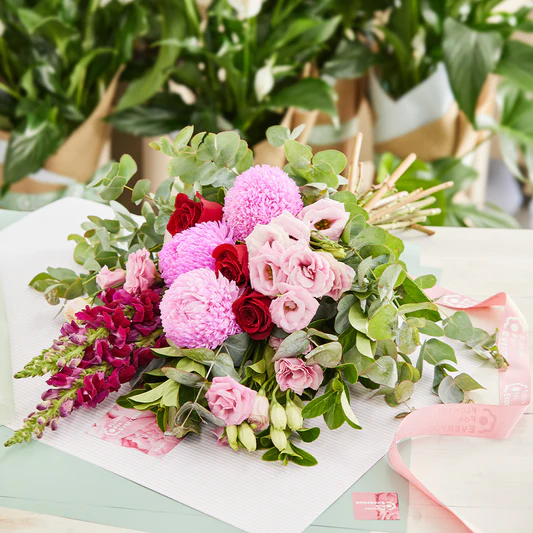
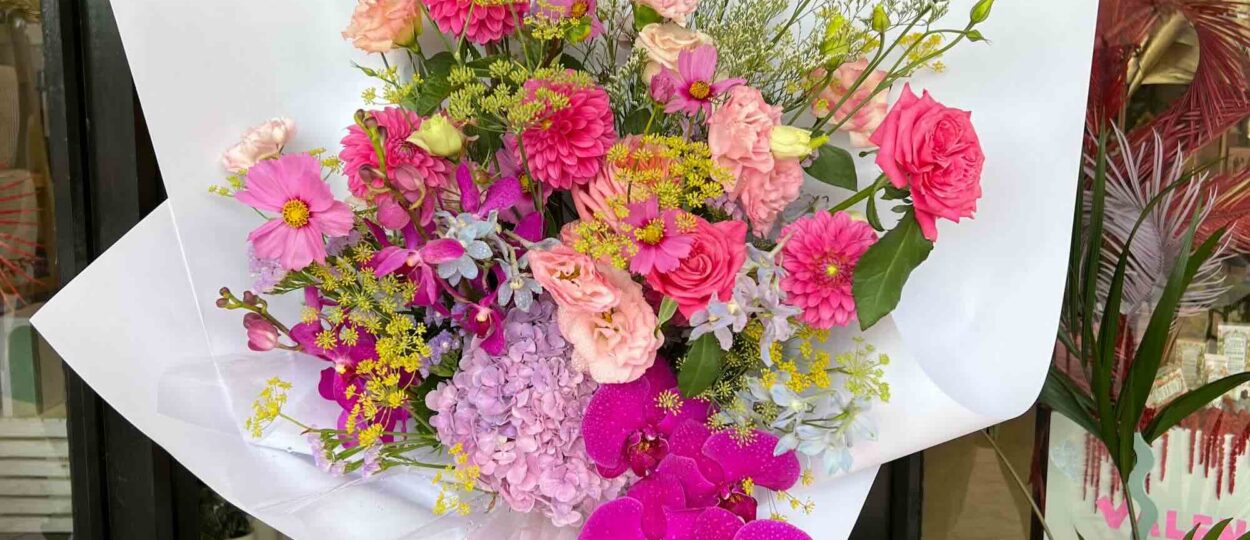
This guide breaks down what matters most, so they can choose with confidence and avoid the common disappointments that come from rushing the decision. What should they look for in a Cremorne Point florist? They should look for consistent freshness, clear communication, and a style that matches the occasion. A Cremorne Point florist should make it easy to order, offer helpful guidance, and deliver arrangements that look like the photos—not a simplified version. It also helps if the florist has experience delivering in and around Cremorne Point, where timing, access, and care during transport can affect the final presentation. How can they judge flower quality before ordering? They can start with the basics: detailed product photos, close ups, and descriptions that name key blooms rather than vague phrases like “seasonal mix.” Strong florists explain what may change with seasonality and how they keep the same overall look and value. They can also check whether the florist regularly updates their range. Frequent updates often signal fresh supply cycles and active design work, not leftover stock being repackaged. Why does style and design consistency matter? Design consistency is what separates a florist who occasionally gets it right from one who delivers dependable results. If their gallery shows wildly different quality levels, it can be a sign that the outcome depends on who is on shift. They should look for a clear signature across arrangements: balanced proportions, clean wrapping, considered colour palettes, and intentional focal points. Consistency usually means better training, better sourcing, and better quality control. What delivery details should they confirm upfront? They should confirm same day cut offs, delivery windows, and what happens if the recipient is not home. A trustworthy florist explains whether they leave flowers safely, contact the recipient, or require signature on delivery. They should also check fees, suburb coverage, and whether fragile designs are transported upright. Delivery is often where great flowers become a disappointing result, so the handling process matters as much as the design. How should they choose flowers for different occasions? They should match the arrangement to the message, not just the budget. For celebrations, brighter palettes and sturdier blooms often travel better and hold shape longer. For romance, they may prioritise fragrance and softer tones. For sympathy, they may prefer calm neutrals, greenery, and gentle forms. If they are unsure, the best florists ask a few questions and propose options quickly, rather than pushing a one size fits all bouquet. What questions should they ask about substitutions and seasonality? They should ask how substitutions are handled and whether the florist will keep the same colour story, scale, and value. Substitutions are normal, especially with weather and market supply, but surprises are not. A reliable florist shares the substitution policy clearly and treats changes as design decisions, not cost cutting. If they can choose a “designer’s choice” option, they should confirm what it typically includes and the style direction. How can they read reviews without being misled? They should look for specific feedback about freshness, longevity, customer service, and delivery accuracy. Reviews that mention “looked even better than the photo,” “lasted a full week,” or “handled a last minute change” are more useful than generic praise. They should also scan for patterns in negative reviews. One complaint can happen anywhere, but repeated comments about late deliveries, small bunches, or poor communication are usually a real signal. What service signs suggest they can trust the florist? They can trust a florist who communicates clearly and does not overpromise. Helpful signs include quick confirmation messages, realistic delivery expectations, care instructions, and a willingness to adjust based on budget. They should also pay attention to how the florist handles problems. A good florist owns issues, offers practical solutions, and makes it right without creating extra stress for the sender. Check out more about Postharvest care of cut flowers. How do they balance budget with quality? They should focus on value rather than stem count. A well designed arrangement with fewer premium blooms can look far more impressive than a crowded bunch of cheaper stems. They can also ask what price points typically suit different outcomes, such as “a small gesture,” “a table centrepiece,” or “a statement gift.” A florist worth trusting guides them toward the right scale, rather than upselling automatically. What is the simplest way to make the final decision? They should shortlist two or three florists, compare recent work, confirm delivery policies, and place a small test order if they plan to use the florist regularly. One successful delivery often answers every lingering question. When they find a florist who is consistent, transparent, and easy to work with, it becomes a reliable local connection they can return to for years, whether they are sending thanks, love, congratulations, or support. Related : Wedding Flowers: 12 Elegant Arrangements Sydney Couples Love FAQs (Frequently Asked Questions) What qualities should Cremorne Point residents look for in a reliable local florist? They should seek a florist known for consistent freshness, clear communication, thoughtful design matching the occasion, ease of ordering, and a proven track record in local delivery that respects timing and care during transport. How can customers assess flower quality before placing an order with a Cremorne Point florist? Customers can evaluate detailed product photos with close-ups, clear descriptions naming key blooms, transparency about seasonal changes, and frequent updates to the floral range indicating fresh supply and active design rather than leftover stock. Why is design consistency important when choosing a florist in Cremorne Point? Design consistency ensures dependable results by showcasing a clear signature style with balanced proportions, clean wrapping, considered colour palettes, and intentional focal points—reflecting better training, sourcing, and quality control rather than variable outcomes depending on staff shifts. What delivery details should be confirmed upfront to ensure smooth flower delivery in Cremorne Point? Confirm same-day cut-offs, delivery windows, recipient contact procedures if not home, fees, suburb coverage, and whether fragile arrangements are transported upright. Proper handling during delivery is crucial to maintain the…

Below are 12 elegant wedding flower arrangements Sydney couples love, plus quick notes on where each one shines. What makes a wedding flower arrangement feel “elegant” in Sydney? Elegance in wedding flowers usually comes from shape, restraint, and quality stems—not sheer size. Sydney couples often lean toward cohesive palettes, intentional negative space, and premium focal blooms that hold up in warm weather and bright light. Clean mechanics also matter, since outdoor venues and long photo sessions quickly reveal messy construction. Which bridal bouquet styles look timeless in photos? Classic shapes photograph best because they read clearly from every angle. Sydney couples commonly choose one of these bouquet styles depending on the dress silhouette and venue. What are the most loved ceremony arrangements for Sydney venues? Ceremony flowers need to frame the couple and read well from a distance. Sydney couples often choose designs that can be moved to the reception to stretch the budget without looking like a compromise. Which reception table arrangements feel high-end without overdoing it? Elegant reception florals usually keep sightlines clear and repeat a consistent shape across the room. Sydney couples often prefer designs that feel intentional from every seat, not just from the camera’s “hero” angle. What floral details make a wedding feel cohesive? Small floral moments tie the whole day together when they reuse the same palette and key flowers. Sydney couples often pick a few “hero” details that guests actually notice. How can Sydney couples choose flowers that suit the season and weather? Seasonal stems tend to look fresher, last longer, and cost less. For warm months, they often choose sturdy blooms (orchids, anthuriums, roses, chrysanthemums) and limit delicate petals that bruise easily. For cooler months, they can lean into tulips, anemones, sweet peas, and other softer flowers that hold up better in milder temperatures. Other Resources : New crops now well accepted What should they ask a florist before locking in an arrangement list? They should ask how each piece will be constructed, transported, and repurposed across the day. It also helps to confirm the colour palette flexibility, substitution policy, and what happens if a key bloom is unavailable. Finally, they should ask which arrangements can move from ceremony to reception, since that often delivers the biggest style impact per dollar. What’s the simplest way to decide on the right 12 arrangements? They should start with the “must-photograph” moments: bridal bouquet, ceremony focal point, and reception tables. From there, they can add two or three cohesion details like buttonholes, bridesmaid posies, and a bar or cake accent. Keeping shapes consistent and repeating a tight palette is usually what makes the whole wedding feel elegant, not complicated. More to Read : Local Guide: Choosing the Right Florist Cremorne Point Residents Trust FAQs (Frequently Asked Questions) What defines an elegant wedding flower arrangement for Sydney weddings? Elegance in Sydney wedding flower arrangements comes from shape, restraint, and quality stems rather than sheer size. Couples often prefer cohesive colour palettes, intentional negative space, and premium focal blooms that endure warm weather and bright light. Clean mechanics are essential to ensure the flowers hold up well during outdoor ceremonies and long photo sessions. Which bridal bouquet styles are timeless and photograph beautifully for Sydney weddings? Sydney couples commonly choose classic bridal bouquet styles that photograph well from every angle. Popular options include the soft round bouquet featuring garden roses, ranunculus, and lisianthus; the loose, airy hand-tied bouquet with cosmos, sweet pea, and delphinium ideal for outdoor or coastal settings; and the modern cascading bouquet using orchids, amaranthus, and trailing jasmine that pairs well with minimalist dresses. What ceremony flower arrangements are most loved by Sydney couples? Ceremony arrangements that frame the couple effectively and look great from a distance are favoured. These include grounded meadow aisle clusters that create an organic ‘grown there’ effect on grass or sand; statement entrance plinth arrangements which set the tone with sculptural pieces at entry points; and floral arch accents with asymmetric partial coverage for a modern, airy feel against bright daylight or waterfront views. How can reception table arrangements feel high-end without being overdone? Elegant reception florals in Sydney weddings typically keep sightlines clear while repeating consistent shapes throughout the room. Preferred styles include low compote centrepieces in elevated bowls that feel luxurious yet conversation-friendly; clustered bud vase runs providing rhythm especially on long tables; and long, low garland-style arrangements mostly of foliage plus focal blooms creating a continuous candle-friendly look that photographs beautifully under warm lighting. What floral details help create a cohesive wedding flower theme in Sydney? Small floral moments that reuse the same palette and key flowers tie the entire wedding day together. Popular cohesive details include bridesmaid posies echoing the main bouquet as mini versions to maintain consistency; buttonholes featuring one premium bloom like an orchid or rose with clean greenery for sharpness; and bar or cake table accents with compact arrangements or matching blooms that complete styling in photos. How should Sydney couples choose flowers suited to seasonal weather for their wedding? Selecting seasonal stems ensures flowers look fresher, last longer, and cost less. For warm months, sturdy blooms such as orchids, anthuriums, roses, and chrysanthemums are ideal while limiting delicate petals that bruise easily. Cooler months allow for softer flowers like tulips, anemones, and sweet peas which hold up better in milder temperatures.

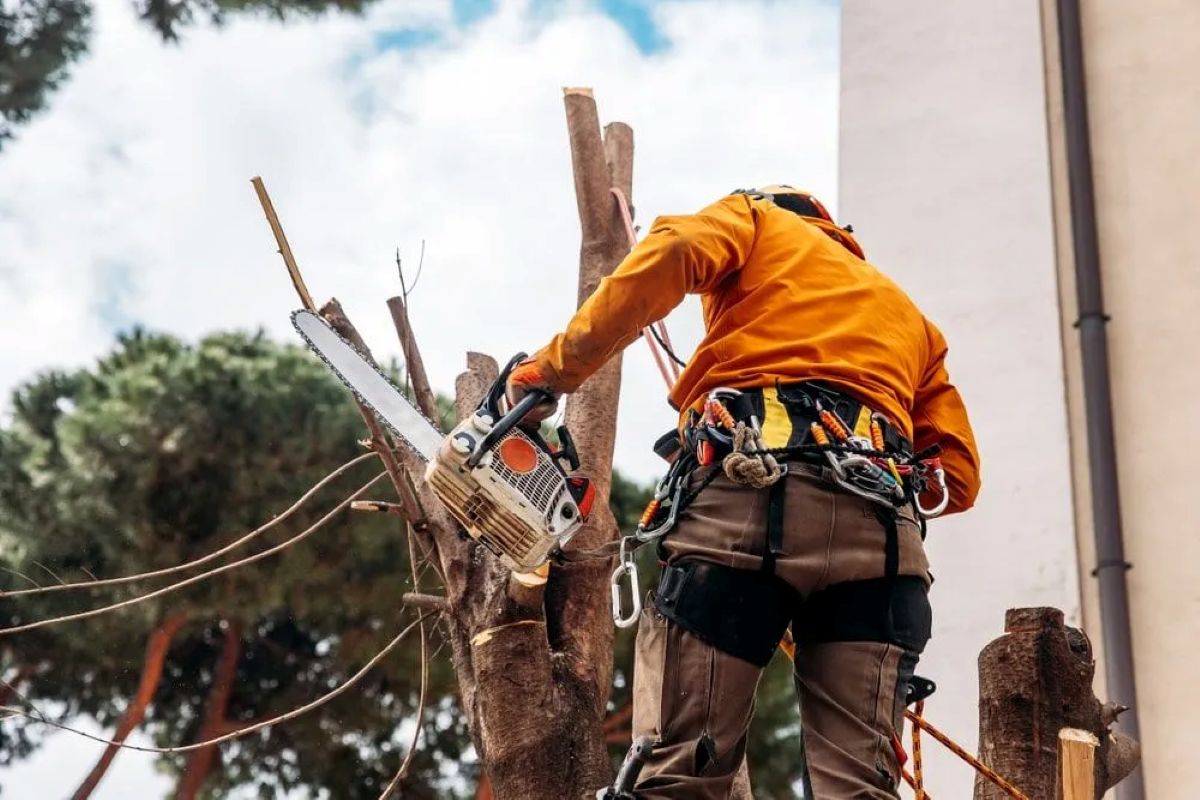
What Is Emergency Tree Removal and Why Is It Important in NSW? Emergency tree removal refers to the immediate extraction of trees that present urgent safety risks to people, property, or infrastructure. This specialized service addresses situations where trees have become structurally compromised and require swift professional intervention to prevent catastrophic outcomes. The importance of timely action cannot be overstated when dealing with hazardous trees in NSW. A tree leaning precariously over a home or blocking a major access route demands immediate attention—delays can result in: NSW experiences severe weather events including storms, high winds, and flooding that can rapidly transform healthy trees into immediate threats. You can find more information on how to deal with such situations in this storm damage FAQ. A tree that appears stable one moment may become critically dangerous within hours of a storm passing through. Professional arborists responding to these emergencies assess the risk level, secure the area, and execute safe removal procedures before the situation worsens. The distinction between routine tree removal and emergency situations lies in the urgency factor. While standard tree removal can be scheduled weeks in advance, emergency scenarios require same-day or even immediate response—often outside regular business hours. This urgency directly impacts both the approach taken by arborists and the tree removal cost NSW residents can expect to pay for these critical services. What Situations Require Immediate Tree Removal in NSW? In NSW, emergency tree situations need immediate professional help when trees pose a current threat to safety or property. Trees damaged by storms with split trunks, exposed roots, or significant structural damage need urgent removal to avoid collapse. Storm Damage and Structural Failure Severe weather events create the most common emergency tree situations across NSW. Trees that have been partially uprooted during storms remain unstable, with root systems no longer providing adequate support. Split or cracked trunks indicate internal structural failure that could lead to sudden collapse without warning. Large branches hanging precariously after high winds create immediate overhead hazards for anyone passing beneath. Fallen Trees Blocking Critical Access Trees that have fallen across driveways, roads, or building entrances require immediate removal to restore access. A tree blocking the only exit from a property creates a safety risk, particularly during ongoing weather emergencies when evacuation may become necessary. Fallen trees across public roads pose hazards to motorists and pedestrians, requiring rapid response to prevent accidents. Trees Threatening Power Infrastructure Hazardous branches NSW residents must address immediately include those touching or leaning toward power lines. Trees in contact with electrical infrastructure create electrocution risks and potential fire hazards. Even trees leaning heavily toward power lines without current contact require urgent assessment, as the next strong wind could bring branches into the wires. Contact with high-voltage transmission lines demands immediate professional intervention and coordination with energy providers. Buildings and Structures at Risk Trees leaning at dangerous angles toward homes, garages, or other structures need emergency removal before gravity completes the fall. Visible signs include: Branches with Imminent Failure Risk Storm-damaged trees often retain large branches that appear attached but have internal breaks or cracks. These widow makers can fall without warning, creating deadly hazards below. Dead branches over 10 centimeters in diameter hanging above walkways, play areas, or parking spaces require immediate removal. Branches showing fungal growth, hollow sections, or bark separation indicate decay that compromises structural integrity. How Is the Cost of Emergency Tree Removal Determined in NSW? Emergency tree removal pricing depends on multiple variables that arborists assess before providing a quote. The final cost reflects the complexity of the job, resources required, and the level of danger involved in the removal process. Tree Size and Species Larger trees command higher removal fees due to the increased labor, time, and equipment needed. A small tree under 5 meters might cost $1,172, while a massive eucalyptus exceeding 30 meters can reach $8,200 or more. Dense hardwoods like ironbark require specialized cutting equipment and take longer to process than softer species such as pine or willow. Tree height directly impacts accessibility challenges. Tall trees need professional climbers or crane operators to safely dismantle branches section by section. Species with extensive root systems or thick trunks also increase the difficulty of complete removal. Risk Level and Location Trees positioned near structures, power lines, or public spaces increase the complexity and danger of removal work. Arborists must use precision techniques to prevent collateral damage, which adds to labor costs. A tree leaning over a house requires careful rigging systems and controlled lowering of branches, unlike a tree in an open field. Proximity to underground utilities like gas lines or water pipes demands extra caution. Professionals may need to hand-dig around root systems rather than using machinery, significantly extending work hours. Urgency of Response After-hours callouts, weekend emergencies, and immediate response requests carry premium rates. Standard tree removal during business hours costs substantially less than a midnight emergency following a severe storm. The urgency premium can double or triple base rates due to: Complexity of the Removal Process Factors affecting cost tree removal include the tree’s condition and surrounding environment. A partially fallen tree tangled in power lines requires coordination with energy providers and specialized safety protocols. Trees with compromised structural integrity need careful assessment to prevent sudden collapse during removal. Limited access sites where cranes cannot reach force crews to use manual rigging systems and climbing techniques. Properties with narrow driveways, steep slopes, or restricted entry points increase labor intensity What Can You Expect to Pay for Emergency Tree Removal Services in NSW? The average emergency tree removal cost NSW typically falls between $1,172 and $8,200, with most homeowners paying around $3,500 for standard emergency interventions. The wide price range tree removal services cover reflects the diverse nature of emergency situations, from a single fallen branch to a massive eucalyptus threatening multiple structures. How Much Does Emergency Tree Removal Cost in NSW? The cost of emergency tree removal in NSW depends heavily on when you need the service. Here’s a breakdown…

What Is a Comprehensive Arborist Report in Sydney and Why Is It Important? A comprehensive arborist report Sydney is a detailed professional document that evaluates the health, safety, and structural condition of trees on a property. Prepared by qualified arborists, this report provides critical insights into tree management and compliance requirements. The importance of arborist reports extends across multiple stakeholder groups: What’s included in a comprehensive arborist report Sydney? The document typically includes: These reports serve as essential tools for responsible tree management. They protect property values, ensure public safety, and maintain Sydney’s urban canopy while meeting statutory obligations. The thorough nature of these assessments helps prevent costly mistakes and legal complications related to tree work. What Qualifications Do Arborists Preparing These Reports Typically Have? AQF Level 5 arborist certification represents the gold standard for qualified arborists Sydney property owners should seek when commissioning comprehensive reports. This nationally recognized qualification—formally known as the Diploma of Arboriculture—demonstrates advanced knowledge in tree biology, risk assessment methodologies, and Australian standards for tree management. The certification requires extensive study covering tree physiology, identification of over 200 species, structural assessment techniques, and legal frameworks governing tree protection. Arborists holding this credential have completed rigorous practical assessments and theoretical examinations administered by registered training organizations. Why Certification Matters for Report Quality Certified professionals bring systematic assessment frameworks that untrained individuals cannot replicate. Their training includes standardized visual tree assessment methods, understanding of biomechanics affecting tree stability, and knowledge of pathology that might compromise structural integrity. This expertise directly translates to more accurate hazard identification and defensible recommendations. Reports prepared by AQF Level 5 certified arborists carry greater weight with local councils during development application processes. Sydney councils frequently require reports from qualified professionals meeting specific credential thresholds, particularly for significant trees or heritage-listed specimens. Experience Beyond Paper Credentials Years of practical experience complement formal qualifications by exposing arborists to diverse tree conditions across Sydney’s varied microclimates and soil types. Experienced practitioners recognize subtle indicators of decline that textbooks cannot fully capture—such as species-specific stress responses or regional pest patterns affecting particular suburbs. The combination of certification and field experience enables arborists to: Insurance and Professional Indemnity Requirements Qualified arborists Sydney councils accept for formal submissions maintain professional indemnity insurance and public liability coverage. These protections matter when reports influence decisions affecting property values, public safety, or legal disputes between neighbors. Insurance providers typically require proof of relevant qualifications before extending coverage to arboricultural consultants. Professional membership with organizations like Arboriculture Australia provides additional credibility markers. Members commit to ongoing professional development and adherence to industry codes What Does a Tree Health and Condition Assessment Include? A tree health assessment Sydney examines the physiological state of trees through systematic evaluation of foliage, bark, root systems, and growth patterns. Qualified arborists inspect crown density, leaf colour, and seasonal growth indicators to determine whether trees are thriving, declining, or in distress. Evaluating Overall Tree Vitality The assessment begins with visual inspection of the tree’s canopy. Arborists look for: Bark condition reveals significant information about internal health. Cracks, splits, or unusual textures often signal underlying problems requiring immediate attention. Identifying Disease Symptoms Tree disease evaluation involves recognizing specific pathogens affecting Sydney’s urban forest. Common indicators include: Arborists document disease progression stages to recommend appropriate treatment protocols or determine if removal becomes necessary for preventing spread to neighbouring trees. Detecting Pest Infestations Pest infestation detection requires examining trees for insect activity and damage patterns. Sydney properties commonly face threats from: Arborists assess infestation severity by checking for active insect presence, frass deposits, and extent of tissue damage affecting the tree’s vascular system. Assessing Structural Damage Physical damage assessment identifies wounds, cavities, and decay that compromise tree vitality. Inspection covers: How Is Structural Integrity and Safety Evaluated in the Report? A tree structural integrity assessment examines the physical stability of trees to identify immediate and potential hazards. Arborists conduct detailed visual inspections and sometimes use specialized equipment to detect internal decay, cracks, weak branch unions, and root system problems that compromise stability. Assessing Potential Hazards The tree safety inspection Sydney process focuses on identifying specific threats that trees pose to their surroundings. Arborists evaluate: Each identified hazard receives a risk rating based on the likelihood of failure and potential consequences. Trees near high-traffic areas or valuable property receive closer scrutiny than those in isolated locations. Methods Used to Determine Structural Soundness Qualified arborists employ multiple techniques during hazard identification: Visual Inspection Techniques Advanced Assessment Tools The arborist documents findings with precise measurements, noting cavity depths, crack lengths, and lean angles. This quantitative data supports professional judgments about tree stability. Safety Considerations for People and Property The evaluation prioritizes human safety and property protection above all other factors. Arborists consider the tree’s proximity to: Why Is Species Identification Important in Arborist Reports? Accurate tree species identification determines whether a tree falls under legal protection and directly affects what actions property owners can legally take. An arborist must correctly identify each tree’s botanical name because misidentification can lead to illegal removal, substantial fines, and project delays. Protected tree species receive special status under state environmental legislation and local council development control plans. Trees like the Turpentine (Syncarpia glomulifera), Blackbutt (Eucalyptus pilularis), and certain fig species cannot be removed or significantly pruned without specific approvals. Sydney councils maintain registers of significant trees, and species identification confirms whether a tree appears on these protected lists. Development applications require precise species information because approval conditions vary dramatically between common and protected species. A developer planning to remove a Spotted Gum (Corymbia maculata) faces different regulatory requirements than someone dealing with an introduced species like a Camphor Laurel (Cinnamomum camphora). The species name appears throughout council documentation, environmental impact statements, and legal permits. Species identification also reveals growth characteristics that inform management decisions. Native species like Angophoras develop hollow limbs as they age, creating habitat value that may trigger additional preservation requirements. Introduced species might be classified as environmental weeds, potentially simplifying removal approvals while requiring specific…

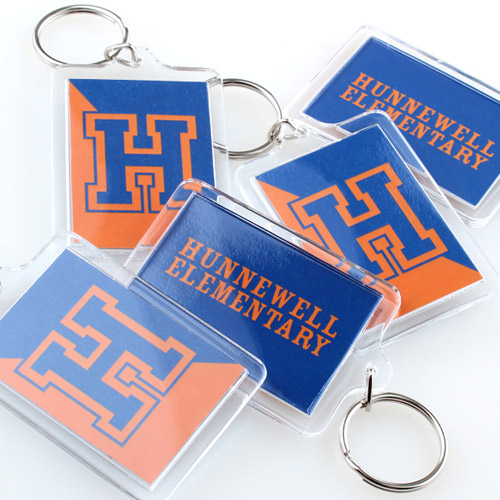
Custom acrylic keychains have become indispensable in retail promotions. Distinctive, durable, and eye-catching, these promotional items offer brands a unique way to connect with customers. With the promotional products industry valued at around $25.6 billion in 2022, it comes as no surprise that retailers are always on the lookout for innovative ways to strengthen their connection with consumers. From generating brand awareness to driving loyalty, custom acrylic keychains serve as versatile tools in the marketing toolbox. They capture attention quickly and are easy to distribute at events, in-store promotions, or even as part of loyalty programmes. This comprehensive guide explores the many facets of using custom acrylic keychains in retail promotions. This includes design considerations, practical applications, and measurable benefits for retail businesses looking to outshine competitors in an ever-evolving market. Design Appeal and Customisation Options Custom acrylic keychains create an immediate visual impact that helps brands stand out. Their clear, sleek surface works as a canvas for creative expressions that align with your brand identity. Retailers can incorporate a wide range of colours, logos, and intricate designs that make the keychains memorable. A bespoke keychain becomes more than just a functional accessory; it’s a piece of mobile advertising. Customisation options allow for a high degree of creativity. This nimbleness in design significantly contributes to brand recognition among customers. Retailers often consider the following design advantages when choosing acrylic keychains as promotional products: ease of printing, visual appeal, and the ability to be shaped into unique designs. Each of these factors plays a crucial role in crafting an attractive piece that remains with the consumer for a prolonged period-data even suggests that 75% of consumers keep promotional items for over a year. The Role of Colour and Transparency One of the standout features of acrylic keychains is the impressive use of colour. The transparency of acrylic materials helps to make colours appear more vibrant and gives the design an almost three-dimensional feel. Retailers can experiment with layers and textures to enhance the appeal. This ability to manipulate colour lends itself perfectly to retail promotions. A brand’s primary colours can be reinforced through the design, aligning the keychain with existing brand guidelines. When a customer carries an item that is a true representation of the brand palette, it creates a strong visual connection. The interplay of transparency and colour also means that custom acrylic keychains look modern and trendy. This is particularly appealing to a younger demographic, aligning visuals with contemporary style trends. Innovative Shapes and Finishes Acrylic keychains offer flexibility in terms of shape and finishing. Beyond the traditional rectangular or circular forms, retailers can choose custom cuts that represent elements from their industry or brand iconography. Varied shapes grab attention and foster conversation. This is especially effective when the keychain design mirrors the product or service the brand provides. For instance, electronics stores might opt for designs that evoke technology motifs, while fashion retailers could choose contours that resonate with their aesthetic. Finishing options like matte, gloss, or even textured touches enhance the tactile and visual experience. Keychains can also incorporate additional features such as engraving or layered effects, adding an extra dimension to the promotional item. Retail Benefits of Custom Acrylic Keychains Integrating custom acrylic keychains into retail promotions has consistent, tangible benefits. Companies using promotional products benefit from heightened brand awareness and a better overall impression among consumers. Research shows that 60% of recipients have a more favourable view of a brand after receiving a promotional item. This statistic highlights that consumers hold a positive association with brands that invest in quality promotional items. Custom acrylic keychains are a prime example of how small investments can yield remarkable returns. With an average ROI of $2.37 for every dollar spent, these items prove to be cost-effective and dynamic marketing tools. Retailers investing in these keychains enjoy increased customer engagement and improved recall rates. Data suggests that 58% of respondents can recall the name of the advertiser after receiving a promotional product. This level of cognitive retention is essential in a competitive retail environment. Cost Efficiency and High ROI Custom acrylic keychains balance cost efficiency with visual appeal. Their durable nature ensures longevity, meaning that a single promotional item keeps working long after the initial distribution. The low production cost combined with high perceived value drives an impressive return on investment. Even small businesses can leverage these benefits, as they combine affordability with the ability to make a lasting impression. Retailers can distribute these items without the need for substantial budgets, yet still command a strong brand presence in the market. Moreover, the scalable nature of production means that both small and large order quantities can be accommodated. This flexibility ensures that companies can test the market before committing to extensive promotional campaigns. Enhanced Customer Loyalty Using custom acrylic keychains as rewards can significantly enhance customer loyalty. If a customer receives a high-quality, attractive keychain, it not only reinforces their positive impression but also makes them feel valued. Such tokens of appreciation contribute to long-term customer retention strategies. In various retail settings, distributing these keychains during special events or as part of loyalty programmes can help cement customer relationships. Consumers who enjoy tangible benefits are more likely to keep returning to the store. Additionally, the utility of keychains ensures that the promotional message stays with the customer. Every time they use their set of keys, they are reminded of the brand, strengthening the cycle of brand engagement and loyalty. Effective Strategies for Retail Promotions Retail promotions are most effective when they combine creativity, utility, and brand alignment. Custom acrylic keychains serve as a tactical vehicle in retail strategy because they can be seamlessly integrated into a variety of promotional activities. The versatility of these items enhances the overall customer experience. Strategies should indeed focus on a mix of distribution tactics. Whether it is at trade shows, in-store promotions or as giveaways during special events, the creative use of keychains captures consumer interest premierly. Positioning them strategically can lead…

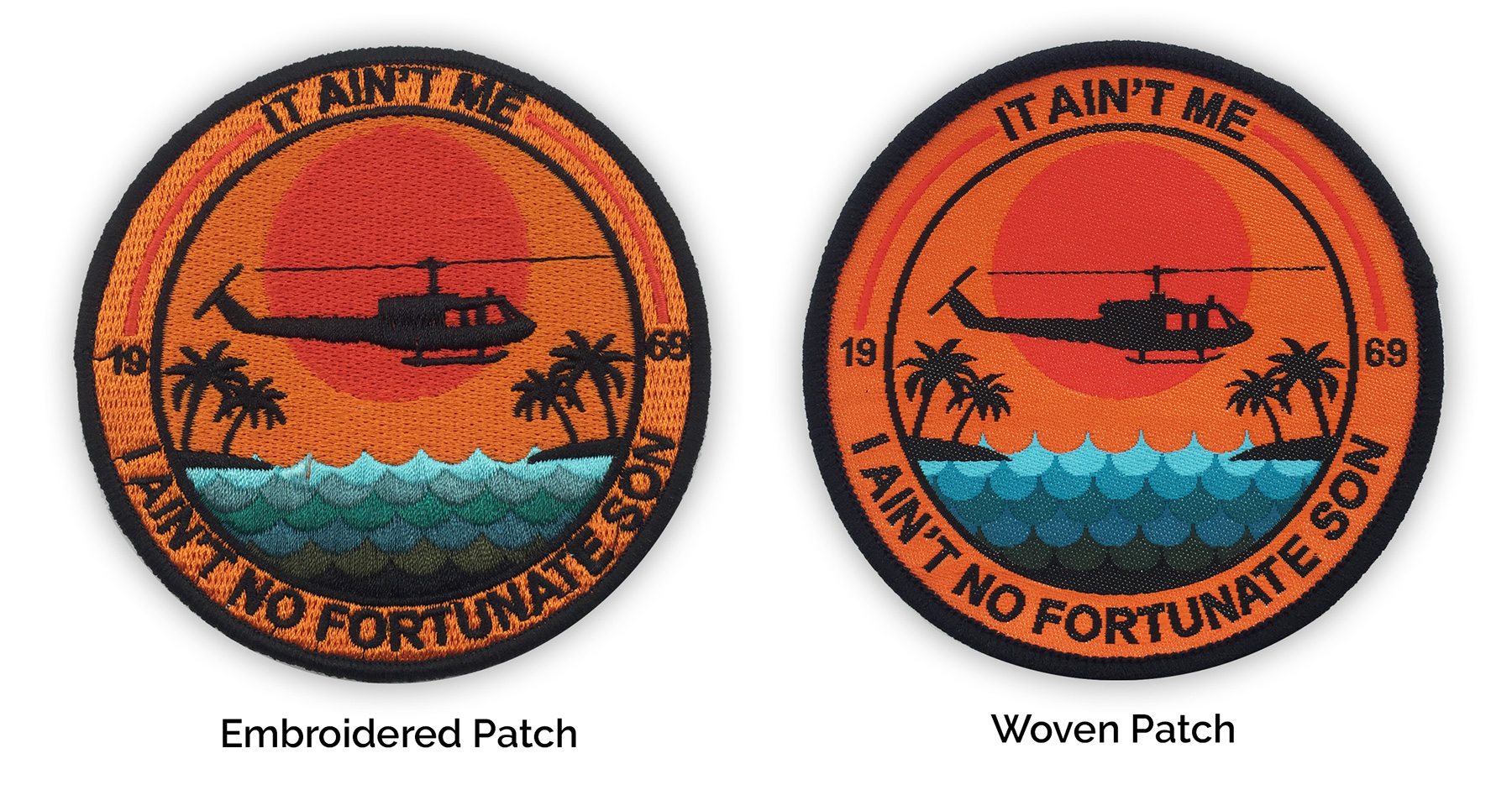
Badges play a major role in branding, fashion, and even team spirit. Whether you’re looking to accentuate a uniform or add a personalised touch to a jacket or cap, understanding the nuances between woven and embroidered badges can help you make an informed decision. A few key factors-from design complexity to durability and market trends-can impact your choice considerably. This guide will walk through the differences using clear, everyday language and real-world examples. Delve into each section to learn how craftsmanship, longevity, and design aesthetics come into play, ensuring you choose the perfect element to match your needs. Understanding the Basics of Woven and Embroidered Badges Material and Craftsmanship Details Woven badges are created by interlacing threads, formulating a design that is both intricate and delicate. This method allows designers to achieve fine details, including small text and gradients. In fact, woven badges excel when it comes to precision, which makes them a popular choice in sectors that require visual finesse. In contrast, embroidered badges are stitched using a machine that lays thick, colourful threads upon fabric. This technique delivers a textured, raised finish that conveys a sense of tradition and durability. The bold look of embroidered badges is especially desirable in applications where a classic, authoritative design is required. With each method, the chosen materials and techniques reflect the intended use. While woven designs excel in complex digital images, embroidery offers tactile quality and longevity that can resonate strongly with customers. Design Versatility and Adaptability The versatility of woven badges means they can capture intricate graphics and tiny details that would otherwise be lost. Designers appreciate this method for its potential to adapt complex logos, gradients, and patterns into a compact design. Embroidered badges, on the other hand, enhance simpler designs and bold visuals by adding texture and a more pronounced three-dimensional appearance. This tactile element often positions embroidered badges as a choice for sports teams, corporate branding, and other areas where durability and legibility are crucial. Differences in design adaptability mean that your selection should be dictated by the message you want your badge to convey. A detailed logo may thrive as a woven badge, while a timeless, bold emblem would be perfectly suited to embroidery. Durability and Longevity Quality Retention Over Time When it comes to durability, embroidered badges have a strong reputation. Studies have shown that embroidered logos retain 94% of their original appearance after 50 industrial washes. This durability makes them ideal for everyday wear, uniforms, and items that undergo frequent cleaning. The robustness of embroidered patches stands in clear contrast to many screen-printed alternatives, which tend to fade or crack over time. Customers in sectors such as fashion apparel and corporate uniforms value the reliability of embroidery, which enhances brand perception and operational competence. Although woven badges are praised for their intricate designs, they can sometimes be less resilient when exposed to harsh conditions. It is important to take this into account when the badge is intended for environments where wear and tear are common. Performance in Various Conditions The construction of embroidered badges generally provides an edge in extreme conditions. Even with consistent industrial washing, the threads hold up well, preserving clarity and colour vibrancy. Woven badges are subjected to high-quality craftsmanship that ensures a long lifecycle, though they may be more sensitive to mechanical stress. For example, on garments that are regularly stretched or exposed to abrasive materials, the fine threads might eventually break or display signs of wear. Consider your target usage environment carefully. If the item sees heavy use and frequent laundering, embroidery is the advisable route. For decorative or more formal applications, the delicate charm of woven badges can more than balance any potential trade-offs in longevity. Design Complexity and Visual Appeal Fine Details Versus Bold Statements Woven badges truly shine when a design requires detailed intricacies. For those with fine points like subtle gradients or small text, the interlacing threads are capable of capturing those visual subtleties with precision. This is particularly important where the badge serves as a miniature canvas that tells a bigger branding story. Embroidered badges tend to be better suited for strong, graphic designs that require bold visual statements. The raised, textured finish offers a timeless look, often linked to expertise and operational competence. Customers often associate this technique with reliability and a high standard of production quality. The visual outcome significantly depends on the inherent nature of each technique-deciding between them might well hinge on what aspects of the design one wishes to highlight. Detailed, customised artwork has a natural home in woven badges, while sturdy, prominent logos flourish as embroidered designs. Impact on Brand Perception The perception of quality is a crucial factor. Research indicates that 83% of customers associate embroidered branding with operational competence, a percentage that marks a significant rise over digital printing methods. This elevated customer perception strengthens brand credibility. While a woven badge might serve as a canvas for innovation, its detailed nature might not convey the robust confidence that an embroidered badge does. This tactile nature often suggests a premium product that can withstand the rigours of daily use without losing its cachet. Ultimately, the choice between a woven and an embroidered badge can communicate differing brand values. A badge that speaks of tradition, durability, and quality craftsmanship inevitably adds to a brand’s promise and market reliability. Market Trends and Consumer Preferences The Rise of Personalisation Personalisation in fashion and promotional merchandise is gaining immense traction. Recent research shows that personalised patch orders via e-commerce surged by 33% since 2022. Customers enjoy the emotional connection that comes with owning a unique piece. The demand for custom-made designs is evident as over 60% of consumers actively seek personalised products. Whether it is for a sports team, a corporate uniform, or retail attire, individual expression and uniqueness are at an all-time high. This surge in customisation signifies a shift towards a more customer-centric market, where each badge tells a personal story. Integrating these trends could enhance your brand’s…

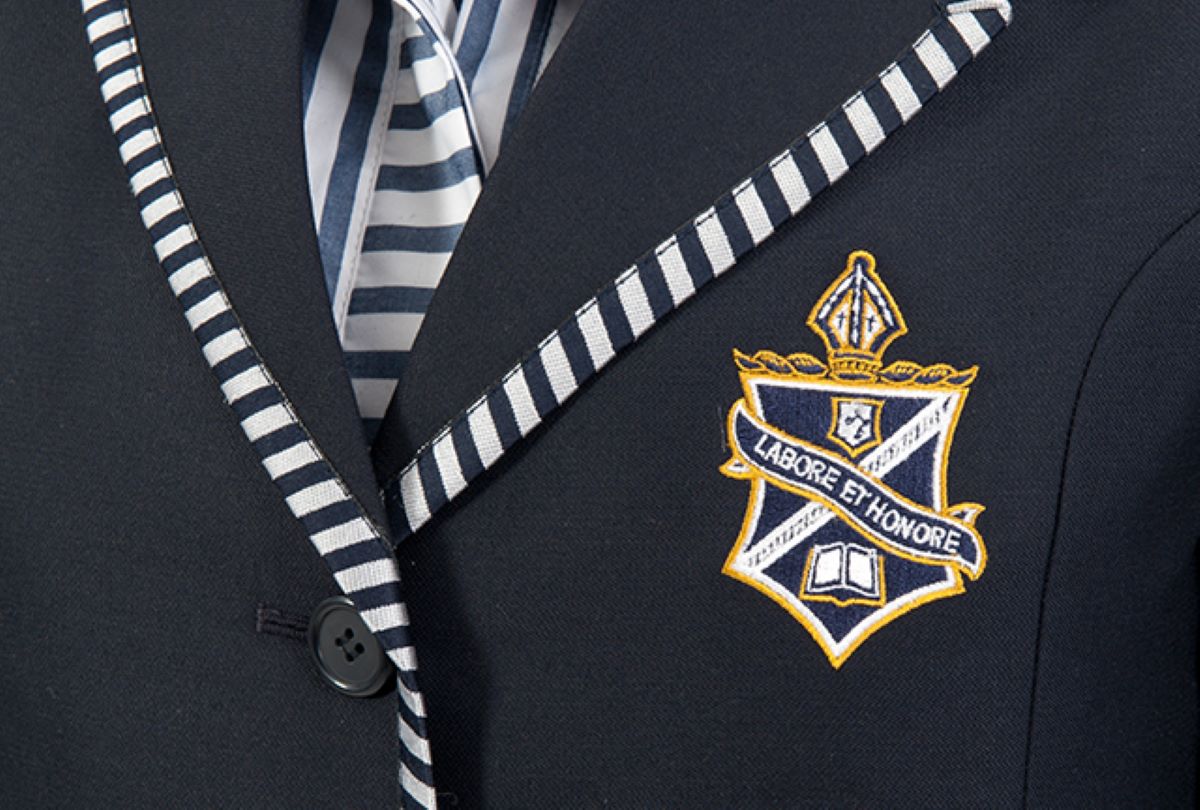
What Are Blazer Badges and How Do They Contribute to Branding Consistency? Blazer badges are embroidered or woven emblems attached to blazers, uniforms, or corporate attire that display company logos, crests, or identifying marks. These badges serve as portable brand ambassadors, transforming every employee into a walking representation of the organization’s visual identity. Branding consistency creates immediate recognition and builds customer trust. When stakeholders encounter the same colors, logos, and design elements repeatedly, they develop stronger associations with your brand. This repetition strengthens memory recall and establishes credibility in competitive markets. Made-to-order blazer badges deliver superior branding consistency through precise manufacturing controls. Each badge replicates exact specifications: Generic badges introduce variables that compromise brand presentation. Off-the-shelf options rarely match exact brand colors, and their standardized sizes may distort logo proportions. Made-to-order production eliminates these inconsistencies by creating badges specifically engineered to your brand guidelines. The result is a unified appearance across all team members, regardless of when or where badges were produced. This standardization ensures your brand maintains its intended visual impact at conferences, client meetings, and public events. What Makes Made-to-Order Blazer Badges Different from Custom Options? Made-to-order blazer badges are manufactured specifically according to a client’s exact specifications from scratch. Each badge starts as a blank canvas, crafted to match precise brand requirements rather than adapting existing templates. Generic or off-the-shelf badges typically offer limited modifications to pre-designed templates. These custom badge options might allow basic changes like swapping text or selecting from preset color palettes, but the core design structure remains fixed. Made-to-order blazer badges eliminate these constraints entirely. The distinction lies in the level of control over every design element: Off-the-shelf solutions force brands to compromise their visual identity to fit available options. A company with a distinctive teal brand color might settle for a “close enough” turquoise from a standard palette. Made-to-order blazer badges remove this compromise, delivering badges that match brand guidelines without deviation. How Do Made-to-Order Badges Ensure Uniform Brand Presentation? Made-to-order badges guarantee uniform brand presentation through meticulous production processes that lock in every design specification. Each badge is manufactured according to exact measurements and approved templates, eliminating the variations that naturally occur with generic alternatives. Brand guidelines adherence becomes enforceable rather than aspirational when working with made-to-order manufacturers. Production teams reference your official brand documentation throughout the manufacturing process, ensuring that: The role of exact color matching cannot be understated in maintaining visual consistency. Made-to-order producers use calibrated equipment and quality control checks to verify that each badge displays your brand colors accurately. A navy blue that shifts toward royal blue or a burgundy that appears too red creates subtle inconsistencies that undermine professional presentation. Precise logo placement ensures that every badge looks identical whether worn by front-line staff or executive leadership. This spatial consistency means your logo appears at the same height, angle, and position on every garment, creating a cohesive visual identity that reinforces brand recognition at every customer touchpoint. Why Is Consistent Branding Important for Businesses? Consistent branding creates immediate recognition and builds psychological trust with customers. When stakeholders encounter the same visual elements—whether on employee blazers, marketing materials, or digital platforms—they develop confidence in the organization’s professionalism and reliability. This repetition reinforces authenticity, signaling that a business pays attention to details and maintains high standards. The Financial Impact of Branding Consistency Branding consistency importance extends directly to financial performance through enhanced brand equity. Companies with uniform visual identities command premium pricing, attract loyal customers, and differentiate themselves in crowded markets. Research shows that consistent brand presentation increases revenue by up to 23%, demonstrating the tangible value of cohesive branding strategies. Effortless Recognition through Design Standards Recognition becomes effortless when every touchpoint reflects identical design standards. Customers remember brands that present themselves uniformly across all interactions, from employee uniforms to corporate events. This mental shortcut reduces decision-making friction and positions the brand as the default choice within its category. The Power of Blazer Badges for Branding Consistency Why blazer badges made to order offer better branding consistency becomes clear when examining the cumulative impact of small visual elements. Each badge worn by staff members serves as a micro-advertisement, reinforcing brand identity through repeated exposure. When these badges maintain perfect alignment with corporate standards, they transform individual employees into walking brand ambassadors who project unified professionalism at every customer interaction. How Customization Reduces Variations in Branding Customization benefits are most apparent when comparing made-to-order badges with generic alternatives. Off-the-shelf badges usually have limited color options, fixed sizes, and pre-designed templates that rarely match perfectly with established brand guidelines. Generic badges create several challenges that increase brand variations: Made-to-order blazer badges eliminate these discrepancies through precise specification control. Each badge follows exact Pantone color codes, ensuring identical hues across every production run. Logo placement adheres to millimeter-accurate positioning guidelines, preventing the visual inconsistencies that occur when employees wear badges from different generic suppliers. The production process for custom badges involves detailed approval stages where design proofs match against brand style guides. This verification step catches potential variations before manufacturing begins, unlike generic options where businesses discover mismatches only after delivery. Material selection plays an equally important role. Made-to-order options allow specification of thread types, backing materials, and finishing techniques that remain constant across all badges. Generic suppliers frequently substitute materials based on availability, creating subtle but noticeable differences in appearance and durability that undermine brand uniformity. Can Bulk Ordering Made-to-Order Badges Lead to Cost Savings? 1. Benefits of Bulk Ordering The benefits of bulk ordering become immediately apparent when businesses commit to larger quantities of made-to-order badges. Manufacturing facilities optimize production runs by creating multiple identical badges simultaneously, which spreads fixed setup costs across hundreds or thousands of units rather than just a handful. This economy of scale directly translates to lower prices per badge. 2. Cost Savings on Badges Cost savings on badges extend beyond the unit price itself. Shipping expenses drop significantly when organizations consolidate orders into single shipments rather than placing multiple small orders throughout the…

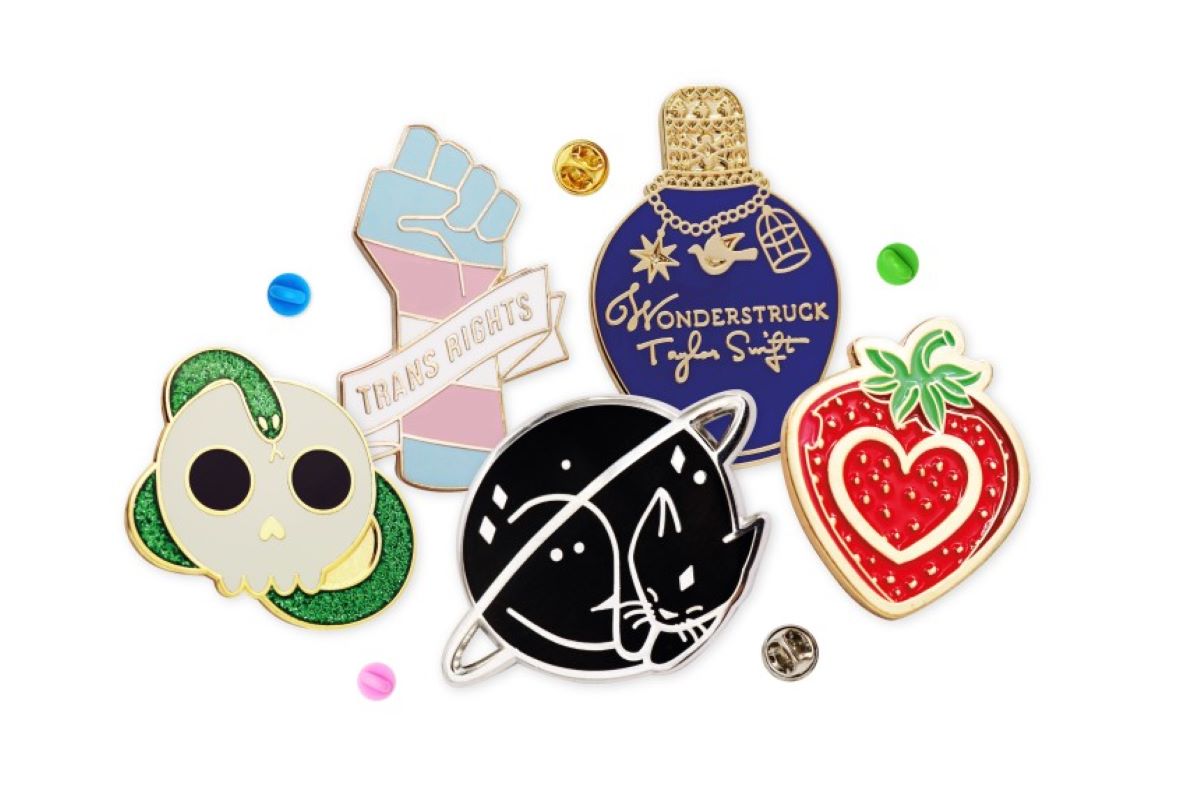
Acrylic pins have become one of the most versatile accessories in fashion. They are affordable and visually appealing, making them popular among style enthusiasts, brands, and collectors. These lightweight plastic pins feature printed images and offer a flexible way to showcase one’s personality through wearable art. The ability to turn simple designs into on-trend accessories is what sets apart successful fashion statements from forgettable ones. When basic graphics are transformed into items that can be worn, such as jackets, bags, or hats, they come alive with new meaning. This transformation not only elevates ordinary objects but also sparks conversations. In this article, we will explore how acrylic pin accomplish this amazing transformation by examining: By understanding these mechanisms behind the transformation process, we can gain insights into why acrylic pins have become essential fashion accessories for expressing individual style in today’s world. What Are Acrylic Pins and How Do They Differ From Traditional Pins? Acrylic pins are printed images sealed within thin, transparent plastic layers, creating a glossy finish that showcases full-color designs with exceptional clarity. The printing process embeds artwork directly onto the acrylic surface, allowing for photographic-quality reproduction that captures every detail. Acrylic pins vs enamel pins Acrylic pins have several advantages over traditional enamel pins: Weight & Comfort Color Capabilities Design Flexibility The acrylic material provides built-in scratch resistance that protects designs from daily wear. UV protection technology prevents fading when exposed to sunlight, keeping colors brilliant through repeated use. These protective qualities ensure pins maintain their original appearance without special care requirements. How Do Acrylic Pins Enhance Basic Designs Through Customization? Acrylic pins transform simple concepts into striking accessories through full-color printing that captures every nuance of a design. The printing process supports unlimited color combinations, smooth gradients, and photographic-quality images that would be impossible or prohibitively expensive with traditional pin-making methods. 1. Custom Shapes for Unique Designs Custom shapes break free from standard circles or squares, allowing designers to cut pins into silhouettes that match their artwork perfectly. A cat illustration becomes a cat-shaped pin, a brand logo maintains its exact proportions, and character designs retain their distinctive outlines. This shape flexibility means the pin itself becomes part of the design rather than just a canvas. 2. Detailed Designs with Precision Printing Detailed designs thrive on acrylic material because the printing technology captures fine lines, small text, and intricate patterns with precision. Designers can include: 3. Size Options for Versatile Designs Size options ranging from 2cm to 5cm accommodate different design requirements—smaller pins work for minimalist logos while larger formats showcase elaborate artwork. Brands incorporate their exact color schemes, fonts, and visual identity without compromise. Artists reproduce their original work with faithful accuracy. The customization potential lets creators maintain complete control over how their vision translates into a wearable accessory. Why Are Acrylic Pins Considered Versatile Accessories? Acrylic pins are versatile accessories that can be worn in many different situations. They have various ways of attaching and are lightweight, making them suitable for a wide range of outfits and accessories. Where Can You Wear Acrylic Pins? These fashion accessories can be worn on: The best part is that they won’t cause any damage or sagging to the items they’re attached to. In fact, they can even be used as decorative elements on hand-embroidered items without compromising the fabric’s integrity. How Do Different Attachment Options Affect Usage? The way these pins are attached directly affects how and where you can display them. Here are some common attachment options and their benefits: Why Are Lightweight Wearable Pins Important? Lightweight wearable pins made from acrylic typically weigh under 5 grams. This lightweight nature allows wearers to layer multiple pieces without feeling uncomfortable. For example, a single jacket can comfortably showcase 5-10 acrylic pins while still maintaining comfort. How Do Acrylic Pins Stay Durable? The durability of acrylic material means that these pins can withstand daily handling without chipping or fading. This makes them ideal for individuals who frequently switch pins between different items. Who Can Benefit from Acrylic Pins? Acrylic pins are especially beneficial for: The functional flexibility of acrylic pins makes them a perfect match for modern lifestyle demands. Moreover, their ability to blend seamlessly with various materials makes them an excellent choice even for items that require special care, like those needing UV protection. How Do Acrylic Pins Contribute to Trend-Driven Fashion Statements? Can a simple pin really keep up with fast-moving fashion trends? Acrylic pins excel at capturing current aesthetics because their high-quality printing process reproduces vibrant colors with exceptional accuracy. The full-color digital printing technique allows designers to translate trending color palettes—from pastel gradients to neon brights—directly onto the pin surface without limitations. Longevity through UV Protection UV protection coating serves as the secret weapon for longevity. This protective layer prevents color fading from sun exposure, ensuring that eye-catching accessories maintain their visual impact through repeated wear. Pins featuring trending holographic effects, gradient backgrounds, or intricate character art retain their appeal season after season. Depth Effects and Layered Accessories The material’s transparency creates unique depth effects that align with current fashion trends favoring layered, dimensional accessories. Designers can incorporate: Amplifying Trends through Social Media Social media platforms amplify acrylic pins’ trend potential. Their photogenic quality makes them ideal for Instagram flatlays and TikTok styling videos, where sharp details and saturated colors photograph beautifully. Limited-edition releases featuring viral memes, popular characters, or seasonal themes sell quickly because the printing process allows rapid adaptation to emerging trends without expensive tooling changes. Why Are Acrylic Pins Affordable Yet Durable? Acrylic pins offer great value because they have low production costs and long-lasting quality. Unlike enamel pins that require multiple manufacturing steps and metal materials, acrylic pins use streamlined printing processes that reduce expenses without compromising visual quality or intricate details. How Acrylic Pins Are Made The quick production time of these affordable accessories comes from simpler manufacturing. Traditional metal pins need molding, filling, and polishing stages, while acrylic pins use direct printing methods that cut production…

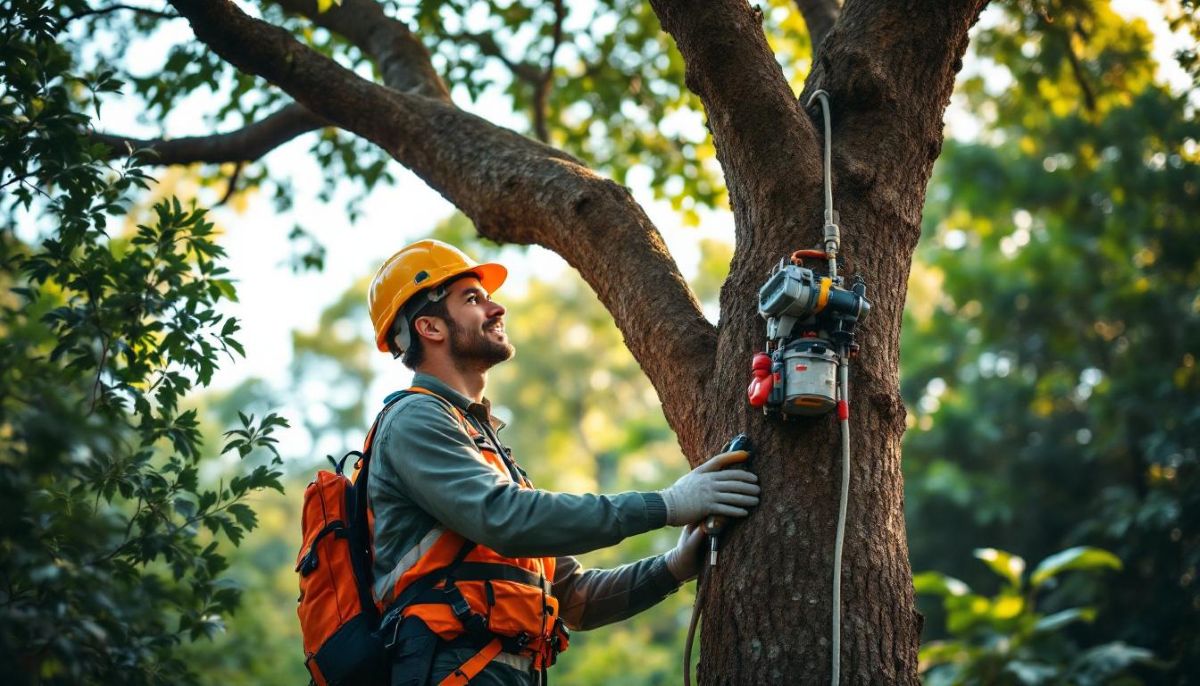
What is the Role of Tree Loppers in Urban Environments and Why Are They Important? Tree loppers are specialized professionals who maintain, prune, and manage trees within city landscapes, ensuring urban forests remain healthy and safe for communities. When searching for “tree loppers near me,” you’re looking for experts who understand both arboriculture science and the unique challenges of maintaining trees in built environments. The Importance of Urban Trees Urban trees serve as the lungs of our cities, delivering essential environmental and health benefits that make city living sustainable. These green sentinels work tirelessly to: Beyond Environmental Benefits The importance of urban trees extends beyond environmental metrics. They enhance property values, create inviting public spaces, and contribute to mental wellbeing by connecting city dwellers with nature. Tree loppers near me play a critical role in preserving these benefits through expert care that balances tree health with public safety. The Consequences of Neglecting Tree Care Without qualified professionals practicing urban tree care ethics, cities would lose these vital assets to disease, structural failure, or unnecessary removal. Proper tree management ensures communities continue enjoying the remarkable services these living infrastructure elements provide. What Services Do Tree Loppers Near Me Typically Provide? Tree pruning services form the backbone of professional tree care, involving the selective removal of branches to improve structure, health, and appearance. Qualified tree loppers assess which limbs require attention, removing dead or diseased wood whilst shaping the canopy to promote balanced growth. This targeted approach prevents overcrowding and allows sunlight to penetrate the inner branches. Tree trimming focuses on maintaining a tree’s aesthetic appeal and preventing interference with buildings, power lines, or pedestrian areas. Regular trimming keeps trees at appropriate heights and widths for urban spaces, reducing the risk of storm damage when heavy branches become hazardous. Tree removal becomes necessary when trees pose safety risks, suffer from irreversible disease, or conflict with essential development. Professional loppers evaluate whether removal is genuinely required or if alternatives exist. They employ specialised equipment and techniques to safely dismantle trees in confined urban settings. These services work together to sustain urban forests. Proper pruning extends tree lifespans by 15-20 years, whilst strategic trimming reduces emergency callouts by addressing problems before they escalate. Why Is Ethical Practice Crucial in Urban Tree Care? Ethical tree care protects both people and the environment by ensuring decisions about trees serve multiple interests responsibly. Urban trees deliver measurable benefits—cleaner air, cooler streets, wildlife habitat—yet they can pose risks when diseased or structurally compromised, and sometimes conflict with infrastructure projects. Unethical practices create lasting damage. Topping trees (severe cutting that removes most of the crown) weakens structural integrity and shortens lifespan. Removing healthy trees without proper assessment eliminates decades of carbon storage and habitat. Poor pruning techniques invite disease and pest infestations that spread through urban forests. Communities suffer when tree care companies prioritise profit over environmental stewardship. Unnecessary removals reduce property values, increase urban heat, and eliminate shade that reduces energy costs. Failing to assess alternatives—like selective pruning or root management—demonstrates disregard for urban safety and ecological balance. The ethical approach requires qualified professionals who evaluate each tree’s condition, explore preservation options first, and communicate honestly about risks. This standard protects residents whilst maintaining the green infrastructure cities depend upon. How Do Tree Loppers Balance Safety and Environmental Concerns? Tree risk assessment is the basis of responsible urban tree management. Certified arborists carry out thorough inspections looking at root systems, trunk stability, branch structure, and signs of disease. These assessments find potential dangers before they become serious—dead branches posing a threat to pedestrians, rotting roots affecting building foundations, or an uneven canopy making trees more susceptible to storms. Sustainable pruning methods keep trees healthy while also meeting safety needs: The environmental impact goes beyond just individual trees. Skilled tree loppers figure out how much carbon mature trees store, look into wildlife habitats that depend on them, and assess the ecosystem benefits they provide before suggesting removal. When pruning is necessary, recycling green waste turns branches and leaves into mulch, replenishing nutrients in urban soils instead of adding to landfill waste. This holistic approach shows how science-based choices connect the work of Tree Loppers Near Me and the Everyday Ethics of Urban Tree Care. What Are the Environmental Implications of Tree Removal in Cities? Removing a mature urban tree releases stored carbon back into the atmosphere, undermining decades of carbon storage. A single large tree can store hundreds of kilograms of carbon dioxide, and its removal immediately contributes to urban tree removal impact through carbon release that worsens climate change. Ecosystem disruption extends far beyond carbon concerns: The cumulative effect of multiple tree removals fragments urban green corridors, isolating wildlife populations and reducing biodiversity. Each tree lost diminishes the city’s natural infrastructure—a network that took years to establish but can be destroyed in hours. This study highlights the profound effects such actions have on urban ecosystems, emphasizing the need for more sustainable practices in city planning and management. How Do Regulations Influence Ethical Urban Tree Care? Do councils control which trees can be removed? Yes—tree removal permits are mandatory in most Australian municipalities before cutting down protected species or trees above certain sizes. Local governments maintain registers of significant trees, requiring property owners to apply for permission before any work begins. These regulations prevent impulsive decisions that could damage urban canopy coverage. Heritage tree protection laws add another layer of oversight. Trees with historical, cultural, or botanical significance often carry preservation orders that prohibit removal without exceptional circumstances. Penalties for unauthorised removal can reach tens of thousands of dollars, reflecting the irreplaceable nature of mature specimens. Councils also offer incentives that encourage preservation: These frameworks create accountability, ensuring tree loppers and property owners consider environmental impacts before making irreversible decisions. Qualified arborists navigate these requirements daily, helping clients understand their legal obligations whilst exploring every option to retain valuable urban trees. What Responsibilities Do Tree Care Companies Have Toward Clients and the Environment? Tree care companies have two…

What Are Tree Loppers and What Role Do They Play in Urban Canopy Maintenance? Tree loppers are specialized arborists who manage the health and structure of urban trees through strategic cutting, trimming, and maintenance techniques. These professionals serve as guardians of the urban canopy—the collective tree cover spanning city streets, parks, and private properties that forms a living infrastructure above our heads. The urban canopy delivers critical environmental services that make cities livable. Trees filter pollutants from the air, reduce surface temperatures during heatwaves, manage stormwater runoff, and provide essential habitat for urban wildlife. Without proper maintenance, this green infrastructure deteriorates, leaving cities vulnerable to increased heat, poor air quality, and diminished biodiversity. The craft of urban tree maintenance requires: Tree loppers work within a complex framework where every cut influences a tree’s long-term vitality. Their decisions affect not just individual specimens but the broader urban ecosystem. A skilled tree lopper recognizes that maintaining the urban canopy means preserving the environmental, social, and economic benefits that healthy trees provide to communities. This specialized work demands both physical capability and deep understanding of arboricultural science. How Do Tree Loppers Differentiate Between Pruning and Lopping Techniques? Pruning vs lopping represents a fundamental distinction in tree care methodology. Pruning involves precise cuts at natural branch collars or bark ridges—the raised areas where branches meet the trunk—allowing trees to seal wounds efficiently and maintain structural integrity. Lopping, by contrast, typically means cutting branches between nodes or indiscriminately removing large sections of canopy, often leaving stubs that struggle to heal. The AS4373-2007 standards provide professional arborists with clear guidelines for amenity tree pruning. These standards emphasise making cuts that work with the tree’s natural defence mechanisms rather than against them. When professionals follow proper pruning methods, they identify the branch collar’s slight swelling and cut just outside this zone at a slight angle, preserving the tree’s ability to compartmentalise the wound. Improper lopping creates multiple problems: Trees subjected to heavy lopping often develop a bushy crown of weakly attached branches that pose future safety risks. The practice removes the tree’s natural architecture, forcing it into a survival mode that compromises both health and longevity. What Regulations Govern Tree Lopping Practices in Urban Areas? Tree protection controls establish strict frameworks that require professionals to obtain pruning permits before commencing work on urban trees. Most local councils require permits for any maintenance that removes more than 10% of a tree’s canopy, with additional requirements for heritage-listed or protected species. Urban forestry regulations typically specify: The 10% canopy removal threshold serves as a critical benchmark across many areas. Exceeding this limit without authorisation triggers enforcement actions, as excessive removal compromises the tree’s structural integrity and photosynthetic capacity. Some councils impose even stricter limits—5% for significant trees or those in conservation zones. Penalties for unauthorised tree work reflect the serious nature of these offences. Fines can reach tens of thousands of pounds for individuals, with substantially higher amounts for commercial operators. Courts may also order compensatory tree planting at ratios of 3:1 or higher, where violators must plant multiple replacement trees for each one damaged or removed. Repeat offenders face prosecution, business licence revocation, and potential imprisonment in cases involving deliberate destruction of protected specimens. How Do Urban Forest Strategies Support the Work of Tree Loppers? Urban forest strategies, such as the comprehensive Peel Urban Forest Strategy, provide the framework that guides tree loppers in their daily work. These strategies establish clear canopy cover targets and maintenance priorities across city landscapes. They set measurable goals—typically aiming to increase tree coverage by specific percentages over defined timeframes—whilst addressing critical environmental challenges like urban heat island effects and declining biodiversity. City council programs translate these strategic visions into actionable work schedules for tree loppers. Councils maintain detailed inventories of street and park trees, conduct regular health assessments, and identify specimens requiring intervention. This systematic approach ensures tree loppers receive prioritised work orders based on risk levels, seasonal considerations, and long-term canopy development objectives. The coordination between municipal planners and tree care professionals creates a feedback loop that strengthens urban forest management. Tree loppers report on tree conditions during routine maintenance, providing ground-level intelligence about disease patterns, structural weaknesses, and species performance in specific locations. This information shapes future planting decisions and maintenance protocols. Tree Loppers and the Craft of Maintaining the Urban Canopy relies heavily on this collaborative model. When councils establish biodiversity enhancement targets, tree loppers adjust their pruning techniques to preserve habitat features like hollow-forming branches where safe to retain. Heat reduction mitigation goals influence the timing and extent of canopy work, ensuring maximum shade retention during critical summer months whilst maintaining tree health and structural integrity. Why Is Species Selection Important for Successful Urban Tree Planting? Does choosing the right tree species determine whether urban plantings thrive or fail? Urban tree species selection directly impacts long-term canopy health, as inappropriate choices lead to premature decline, increased maintenance costs, and gaps in the urban forest. Cities present harsh conditions—compacted soils, limited root space, pollution, reflected heat from pavements, and mechanical damage—that many native forest species cannot withstand. Resilient street trees must meet specific criteria to survive and flourish in these challenging environments: Species like Platanus × acerifolia (London Plane) and Ulmus cultivars demonstrate these resilient characteristics, explaining their widespread use in streetscapes. Tree loppers benefit from proper species selection as well-suited trees require less corrective pruning and develop stronger branch architecture naturally. When councils prioritise urban tree species selection based on site-specific conditions—considering factors like soil pH, available moisture, and microclimate—they create canopies that mature successfully with minimal intervention, allowing arborists to focus on health maintenance rather than managing stress-related problems. How Do Tree Loppers Balance Ecological Sustainability With Public Safety Concerns? Tree loppers navigate the delicate intersection between ecological sustainability in tree care and public safety in tree maintenance by employing risk-based assessment protocols that preserve tree vitality whilst eliminating genuine hazards. Dead or structurally compromised limbs receive immediate attention when they pose threats to pedestrians, vehicles,…