Month: September 2026

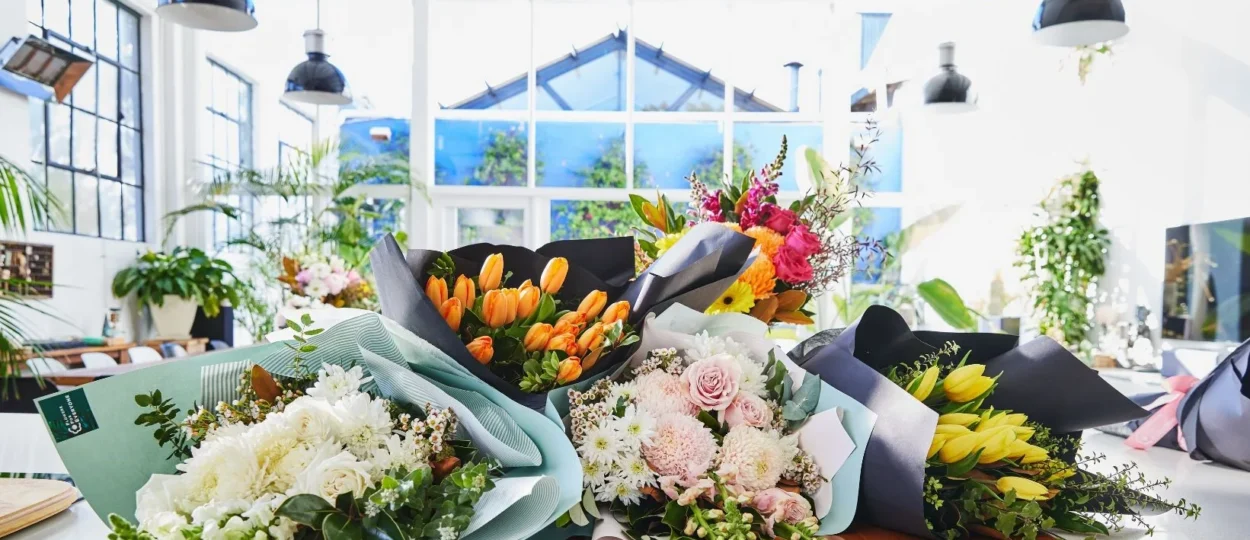
They also tend to understand local preferences, building access quirks, and the delivery timing that matters most for offices, hospitals, and apartments around Sydney Harbour. What does “same-day gifting” actually require in Neutral Bay? Same-day gifting needs real inventory, quick design time, and reliable drivers, not just a checkout button. A florist Neutral Bay is set up for short lead times because they can source, arrange, and dispatch without long travel delays. They also usually have clear cut-off times and practical guidance on what’s achievable, so the gift feels intentional rather than rushed. Why does local proximity make a bigger difference than people expect? Proximity reduces the two biggest risks in same-day delivery: heat exposure and time on the road. When a neutral bay florist delivers nearby, blooms spend less time in transit and arrive looking crisper. It also helps with narrow delivery windows, like lunchtime office drops or after-school home deliveries, where timing can make or break the surprise. How do they keep flowers fresher for fast turnarounds? Freshness comes from tight handling, proper hydration, and smart stem prep before a bouquet leaves the shop. A florist Neutral Bay often works with frequent, smaller deliveries from Sydney markets and trusted growers, which supports consistent quality. They may also prioritise hardy premium stems for same-day orders, choosing varieties that travel well in Sydney conditions. What kinds of arrangements work best for last-minute gifts? The best same-day gifts look abundant, photograph well, and suit a wide range of recipients. Many customers rely on a florist Neutral Bay for signature bouquets, compact vase arrangements, and modern natives that still feel special even when ordered quickly. Seasonal mixed bouquets are a common safe choice because they allow the designer to use the freshest stems available that morning. How do they handle apartments, lifts, and tricky access in the Lower North Shore? Successful delivery in Neutral Bay often depends on clear instructions, intercom details, and timing around building rules. A florist Neutral Bay is more likely to understand the local rhythm, including high-density areas and busy streets where parking can be difficult. Apartment flower delivery tips can also help recipients prepare for smoother handovers. They typically request clear delivery notes and recipient phone numbers, helping drivers complete handovers without leaving flowers unattended. Why is product consistency so important for same-day gifting? Same-day buyers usually do not have time for back-and-forth messages about substitutions. A florist Neutral Bay that lists realistic designs and communicates clearly helps customers feel confident the gift will match expectations. When substitutions are needed, the best florists keep the colour palette and value consistent, so the final bouquet still looks premium. How does a good florist make the gift feel personal on short notice? Personal touches are what stop same-day flowers feeling generic. A florist Neutral Bay can add a thoughtful card message, adjust colours to suit the recipient, or suggest a size upgrade that better fits the moment. They may also offer simple add-ons like candles, chocolates, or a vase, which instantly lifts the presentation without delaying delivery. What occasions benefit most from same-day flowers in Neutral Bay? Same-day flowers suit the moments people forget until the calendar reminder hits, or when life happens unexpectedly. Many people choose a florist Neutral Bay for birthdays, anniversaries, apologies, congratulations, new baby gifts, and sympathy gestures. They’re also popular for corporate thank-yous and client gifting across the North Shore, especially when an in-person meeting is scheduled. How do they manage corporate and office deliveries efficiently? Offices often have reception desks, security procedures, and strict delivery windows. A florist Neutral Bay familiar with business deliveries can time drops to avoid peak traffic and include clear labelling for smooth handover. They also tend to offer invoice-friendly ordering and consistent styling, which matters when companies send multiple gifts each month. What should buyers check before ordering same-day? They should check the cut-off time, delivery suburbs, and whether the florist confirms dispatch. With a florist Neutral Bay, buyers can usually find these details on the website, or get fast clarification by phone. It also helps to confirm the recipient’s availability, especially for hospitals, aged care, and apartment buildings where leaving flowers at the door is not suitable. How can they maximise the chances of on-time delivery? Accurate details do most of the heavy lifting: correct address, unit number, intercom, and a reachable phone. A florist Neutral Bay can move quickly, but they still need clean information to avoid delays. If timing is critical, buyers can request delivery to a workplace reception or choose a delivery window that matches when the recipient is definitely there. Why does style and design matter as much as speed? Speed gets the gift there, but design is what makes it memorable. A strong florist Neutral Bay balances efficiency with aesthetics, using proportion, texture, and colour harmony so the bouquet looks curated rather than assembled. That’s especially important for recipients who will photograph the flowers, display them at home, or bring them to an event the same day. What role do seasonal flowers and Australian natives play? Seasonal stems are usually fresher, better value, and easier to replace if a variety sells out. Many choose a florist Neutral Bay that leans into seasonal ranges and Australian natives, which suit Sydney lifestyles and hold up well. Natives like banksia, leucadendron, and gum can feel modern and lasting, making them a smart same-day option. How do they support customers who are sending from interstate or overseas? Long-distance senders need quick reassurance and a smooth checkout experience. A florist Neutral Bay that provides clear photos, straightforward sizing, and delivery updates helps the sender feel in control. They may also guide buyers toward designs that match the sentiment, especially when the sender cannot visit in person. What makes a florist genuinely “ideal” for same-day gifting? They’re ideal when they combine speed with quality, communication, and a reliable local delivery network. A florist Neutral Bay stands out when they can confidently recommend options, meet realistic timelines, and…
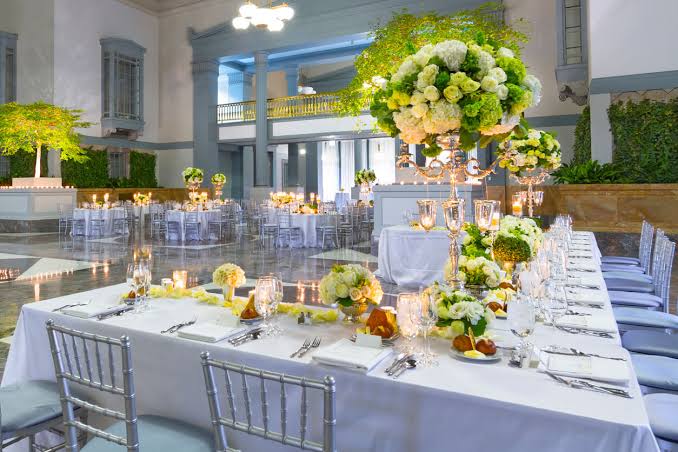

The ceremony lasts twenty five minutes. The reception lasts six hours. Guests will look at your wedding reception flowers longer than any other design element of the day, from a distance of about forty centimetres, for an entire evening. That makes reception florals worth more thought than they usually get. Here is how to design the room properly, and what it costs in Sydney. The pieces that make up a reception You do not need all seven. Guest tables and the bridal table carry the room. Everything else is accent. The one unbreakable rule: sightlines Centrepieces must either sit below eye level or above it. Nothing in between. Low means under about thirty centimetres, so guests can see across the table and talk. Tall means the arrangement starts above about seventy centimetres on a stand or vessel, so conversation passes underneath. A medium-height arrangement that blocks faces is the most common mistake in wedding reception flowers, and guests will remember being unable to see the person opposite them. Centrepiece styles that work Low meadow. Loose, horizontal, garden-style arrangements in shallow bowls or compotes. Currently the most popular look and very flattering in photos. Bud vase clusters. Five to nine small vases per table with one or two stems each. Charming, flexible, and far cheaper than one large arrangement. Long table runners. Greenery base with flowers threaded through, running the length of a long table. The best impact-per-dollar choice for long-table receptions. Elevated statements. Tall arrangements on stands or footed vessels. Dramatic and expensive, so use them on every second table for height variation. Single-stem minimalism. One perfect bloom per bud vase, repeated. Modern, confident, cheap. Candle-led. Clusters of candles with small floral accents. Atmospheric and superb value. Fruit and foliage. Citrus, figs and grapes woven through greenery. Very Sydney summer. The bridal table This is where you spend. It is photographed constantly, it sits in the background of every speech, and it frames the couple. Options run from a simple greenery garland ($500 to $900) to a dense floral runner with candles ($1,200 to $2,500). A garland with candles and occasional floral clusters is the value choice and looks generous. If the bridal table is a round table rather than a long one, treat it as a larger version of the guest centrepieces rather than a runner. Sydney cost ranges For ten tables, expect wedding reception flowers to run roughly $900 at the lean end to $5,000 or more with elevated designs on every table. Venue type changes everything Warehouse and industrial spaces. Need volume and height. Hanging installations and large entry pieces fill the space, and small table posies vanish. Restaurants and small venues. Low only. Space is tight and tables are close. Marquees. The ceiling is an opportunity. Hanging installations transform a marquee more than any table arrangement can. Heritage venues. Often restrict candles and attachment points. Confirm before designing. Outdoor and harbourside receptions. Wind is the constraint. Low, heavy and sturdy wins. Candles need hurricane glass or they simply will not stay lit at Balmoral or Chowder Bay. Outdoor public spaces also come with rules. The City of Sydney sets out approval requirements and lead times for holding events in outdoor public spaces, which affects your setup window and therefore what your florist can realistically install. Making a room feel full without buying more flowers Longevity through the night Wedding reception flowers need to survive setup in the morning, then hours of warm room air, candle heat and people leaning on tables. That argues for robust varieties: roses, chrysanthemum, lisianthus, alstroemeria, orchids, natives and sturdy foliage. Fully open hydrangea and peonies will struggle in a warm Sydney room by 10pm. The room itself matters too. Research from UTS testing plants in indoor green-wall modules examined how greenery interacts with indoor air conditions, a reminder that indoor environments are not neutral. Air conditioning outlets, heat lamps and candle clusters all dry arrangements faster than you would expect. What happens afterwards Decide in advance. Options include guests taking centrepieces home, donating arrangements to a local hospital or aged care home, returning hire vessels to the florist, or composting spent material. Agree it with your florist and your venue before the day, because at 11:30pm nobody is making good decisions about flowers. Questions to ask your florist Ask whether centrepieces are low or tall and confirm the actual heights in centimetres. Ask whether vessels are hired or purchased. Ask who moves repurposed ceremony pieces and when. Ask how many candles are included and whether hurricane glass is provided outdoors. Answer those four and your wedding reception flowers will do exactly what they are supposed to: make the room feel considered, without anybody having to lean around an arrangement to talk to their cousin.

Most wedding floral inspiration online comes from the northern hemisphere, which means it is six months out of phase with everything growing here. A June wedding in Provence and a June wedding in Sydney have almost nothing floral in common. That mismatch is the single biggest source of disappointment in wedding flowers Australia planning. This guide flips the frame: what actually grows here, when, and how to build a wedding around it. Our seasons, properly stated Spring: September to November. Ranunculus, tulips, sweet pea, boronia, waratah, flannel flower, wattle tailend, and a short peony window in late spring. The most abundant season and the busiest for florists. Summer: December to February. Hydrangea, dahlias, sunflowers, celosia, gladioli, and tropicals like ginger and heliconia. Abundant, but heat is the governing constraint. Autumn: March to May. Garden roses at their absolute best, dahlias, berries, lisianthus, chrysanthemum and beautiful warm foliage. Reliable weather and calmer pricing. Arguably the best season in the country for weddings. Winter: June to August. Camellia, hellebore, jonquil, tulips, banksia, wattle and strong structural natives. The value season, with better florist availability. If you take one thing from this guide: peonies are a spring flower in Australia, not a June flower. Planning wedding flowers Australia wide starts with accepting that. Australian natives worth building a wedding around Natives are our genuine floral advantage. They are grown here, they handle heat and wind, they last far longer than imported stems, and nothing else looks like them. Regional differences across the country Sydney and coastal NSW. Mild, humid, windy near the harbour. Excellent year-round availability. Heat matters from November to March. Melbourne. Cooler, with a longer window for peonies, hellebore and spring bulbs, plus genuinely unpredictable weather. Brisbane and tropical Queensland. Heat and humidity dominate. Tropicals, orchids and natives outperform temperate imports. Perth. Hot dry summers. Natives and proteas are outstanding, and WA wildflower season is spectacular. Adelaide. Strong local growing, dry heat, excellent roses. Tasmania. The peony and tulip capital. Cool climate flowers thrive, and the season runs later than the mainland. Inland and regional. Extremes at both ends, plus longer transport times. Local growers and hardy varieties become essential. Climate challenges and how to design around them Heat. Deliver late rather than early, keep everything in water and shade, avoid fully open hydrangea and peonies, and choose roses, natives, lisianthus and orchids instead. Wind. Coastal and harbourside ceremonies need low, weighted arrangements. Skip suspended hoops outdoors. Humidity. Northern climates soften delicate petals fast. Tropicals and natives cope better. Bushfire and smoke season. A real planning factor in some regions. Have an indoor contingency. Drought and water restrictions. These affect local growers and can shift availability at short notice. Stay flexible on variety. Imported versus locally grown Some roses, orchids and specialty stems are imported, and they arrive under strict biosecurity control with treatment and inspection requirements. Locally grown material skips all of that, which means less time in transit and more vase life remaining. It also supports the growers and the pollination systems that make Australian floriculture possible. That system is under genuine pressure, which is why work like the ANU project on domesticating Australian native bees as alternative pollinators matters: it responds directly to risks facing managed honeybee populations and the horticulture that depends on them. Choosing seasonal Australian stems for your wedding is a small vote in that direction, and it produces better flowers anyway. The legal and administrative layer Wedding flowers Australia planning runs alongside a legal process with its own fixed timeline. In NSW, celebrants work within a formal registration framework, and the state publishes guidance for marriage celebrants covering registration, certificates and notice requirements. The practical link to flowers is the Notice of Intended Marriage, which must be lodged at least one month before the ceremony. That sets your true minimum planning window, and floral booking should sit well inside it. Cost expectations nationally Sydney and Melbourne sit at the higher end. Regional areas are often cheaper for labour but can cost more for stem transport. A distinctly Australian approach The best weddings here stop imitating European florals and lean into what this country does uniquely well: natives, eucalyptus, dry textures, strong sunlight, and an outdoor setting that needs less decoration than you think. A waratah bouquet in spring. Banksia and eucalyptus for a windy harbour ceremony. Dahlias and garden roses in autumn. Grasses and dried textures for a summer beach wedding. That is wedding flowers Australia at its best: seasonal, local, robust, and impossible to mistake for anywhere else.

Anniversaries are easier than birthdays in one way and harder in another. Easier, because there is a whole tradition telling you which flower belongs to which year. Harder, because the recipient knows you had twelve months of warning. Anniversary flowers Sydney orders work best when you combine the tradition with what is genuinely good in the local market that month. Here is how to do both. Traditional flowers by year Use the tradition as a starting point, not a cage. If the traditional flower for your year is out of season in Sydney, pick the colour instead, or send their actual favourite flower and mention the tradition in the card. What is actually available in Sydney, month by month Spring, September to November. Tulips, ranunculus, sweet pea, boronia, waratah, late peonies. Excellent for first, eleventh, twelfth and thirtieth anniversaries. Summer, December to February. Sunflowers, hydrangea, dahlias, gladioli, tropicals. Great for third, fourth, ninth and fortieth. Autumn, March to May. Garden roses at their peak, dahlias, chrysanthemum, lisianthus, berries. Ideal for thirteenth, fifteenth and any rose-based year. Winter, June to August. Camellia, hellebore, jonquil, daffodil, tulips, banksia. Suits tenth and twenty-fifth anniversaries well. Seasonal anniversary flowers Sydney orders are fresher, cheaper and last longer. If your date falls in a difficult month for the traditional bloom, your florist can almost always suggest a close visual equivalent. Milestone anniversaries deserve scale For a tenth, twenty-fifth, fortieth or fiftieth, go significantly larger than a normal bouquet. A milestone arrangement should have real presence in a room. Ideas that work well: Sydney pricing Delivery within inner Lower North Shore suburbs typically adds ten to twenty dollars. For milestones, a vased arrangement is worth the extra because it arrives finished. Delivery advice for Sydney Order the day before rather than the same day. Your florist can then buy specifically for the arrangement at the Sydney Flower Market at Flemington that morning, which means better stock and better value. Morning delivery suits anniversaries well, since it sets up the whole day. If you are sending to a workplace in North Sydney or the CBD, aim for mid morning and check the office is open. Include the unit number, the recipient’s mobile and any intercom code. Apartment buildings across Neutral Bay, Cremorne and Kirribilli are the single most common cause of failed deliveries in the area. In summer, book a morning slot. A bouquet on a hot doorstep in Mosman for two hours loses days of life. A local tradition worth borrowing Sydney’s north side takes its flowers fairly seriously, and it shows in the public realm. Mosman Council’s work on floral tower displays chosen for foliage and flowering performance in local shopping areas is a small example of a broader habit: flowers here are treated as part of everyday life rather than a special occasion item. That is a good frame for anniversaries. A significant arrangement on the day is lovely, but a smaller bunch every month is genuinely a better gift over a year. The research bit There is decent evidence that this kind of everyday greenery does real work. A study of users across thirty Sydney parks found that perceived plant and bird diversity was consistently associated with better psychologica l outcomes among the hundreds of people surveyed. Richness and variety register with people. It is a reasonable argument for a textural, varied anniversary arrangement over a uniform box of identical roses. The card is the whole point For anniversaries, the card carries more weight than any other occasion. Reference something specific: the year, a shared detail, a running joke, a plan. “Twelve years. Still the best table at every restaurant.” “Twenty five years and you still make the coffee wrong. Happy anniversary.” “Fifty years. You two are the reason the rest of us try.” Specific always beats sentimental. That is what makes anniversary flowers Sydney couples remember years later, long after the stems are gone.

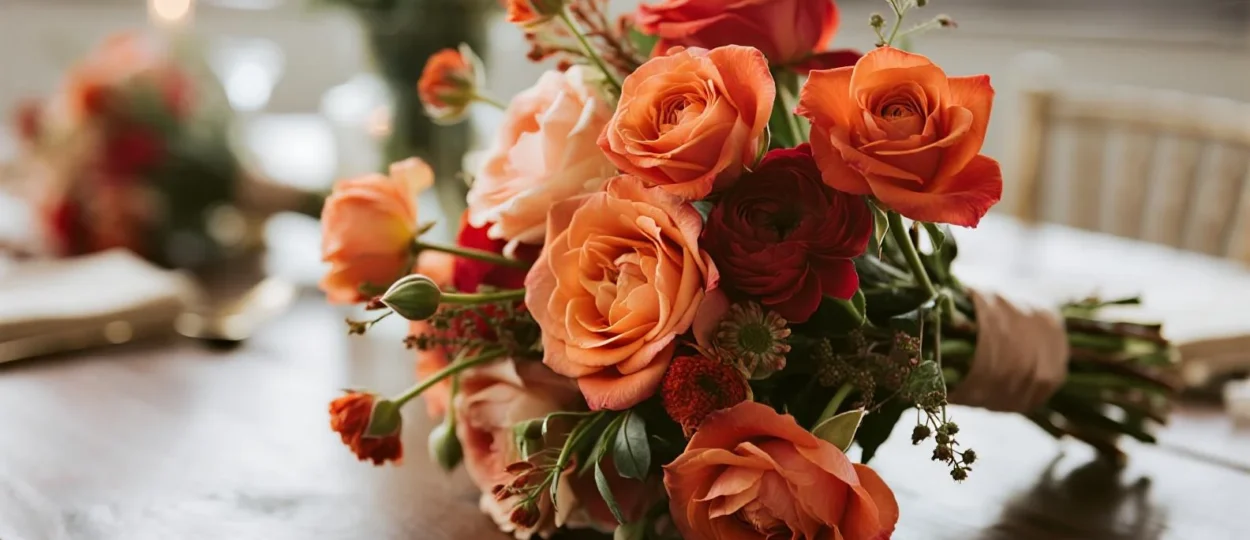
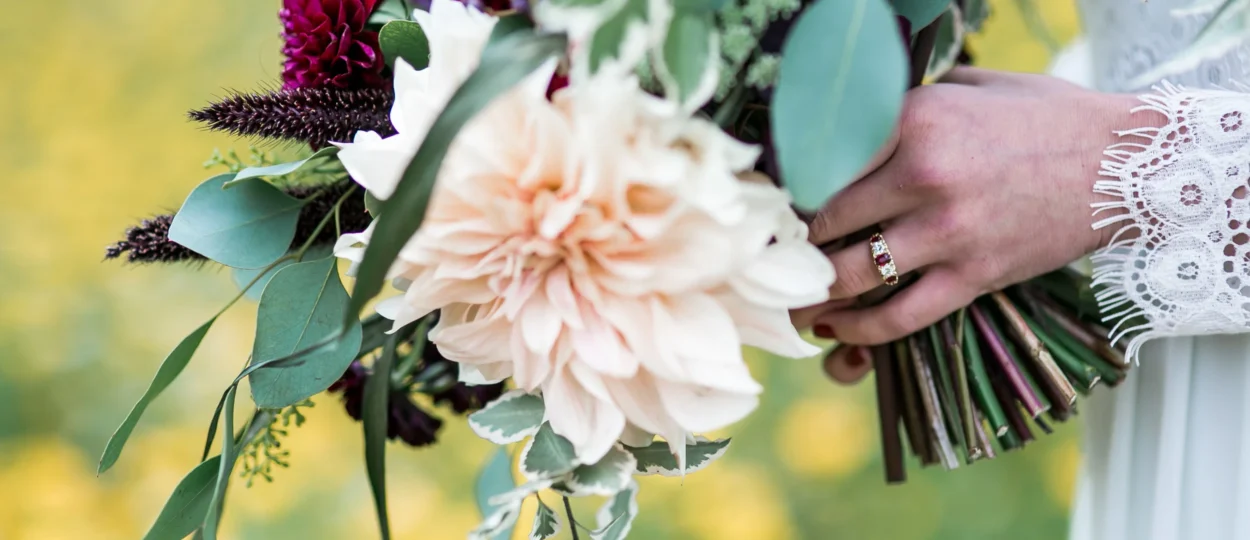
The bouquet is the most photographed floral item of any wedding, held for three to five hours, carried down an aisle, and handed to a bridesmaid during every group shot. It is also the item most couples choose from a single saved image. Wedding bouquet flowers deserve better than that, because the decisions involved are genuinely specific: shape, scale, variety, scent, weight and mechanics all change the result. The bouquet shapes Hand-tied round. Stems spiralled and tied at one point, creating a full domed shape. Classic, flattering, and the most common choice. Loose garden style. Asymmetric, textural, varied heights with some trailing elements. Looks effortlessly gathered and takes the most skill to execute. Cascade or teardrop. Flows downward from the hands. Traditional, dramatic, and back in fashion. Usually wired, so more expensive. Posy. Small, tight and round. Excellent for bridesmaids, flower girls, and anyone who dislikes holding something large. Single variety. Thirty tulips, or twenty white roses, or a bunch of dahlias. Modern, confident, often cheaper than mixed. Single stem. One dramatic bloom, such as a king protea or a large peony. Striking and minimal. Pocket or armful. Long stems carried in the crook of the arm. Relaxed and unfussy, best for outdoor and garden weddings. Hoop or basket. Alternatives usually reserved for flower girls. Matching the bouquet to the dress This is the rule most couples miss. The bouquet should balance the dress, not compete with it. Also consider height. A bouquet should sit at the natural waist or just below, not be clutched at the chest. Ask your florist for a handle length that allows that. Best varieties for bouquets Focal flowers: garden roses, peonies, dahlias, hydrangea, king protea, waratah, oriental lily, ranunculus at scale. Secondary flowers: lisianthus, spray roses, tulips, alstroemeria, carnations, chrysanthemum, stock. Texture: astrantia, wax flower, thryptomene, scabiosa pods, berries, grasses, kangaroo paw. Trailing: amaranthus, jasmine, smilax, clematis, trailing eucalyptus. Foliage: eucalyptus varieties, olive, magnolia leaf, ruscus, ferns. Scent: the underrated decision Scent is the sense most strongly tied to memory, and a bouquet held close to your face all day is a serious opportunity. If fragrance matters to you, ask specifically for scented varieties. The most fragrant options are garden roses, sweet pea, freesia, stock, jasmine, lily of the valley, gardenia and boronia. Note that many commercial roses have been bred for vase life rather than perfume, so you need to ask by variety rather than just asking for roses. Be cautious with heavily scented lilies and gardenia if anyone in the party has sensitivities, and remember that scent intensifies in a warm car. Weight and mechanics A large wired cascade can weigh two to three kilograms. That is a lot to hold through a ceremony and a hundred photographs. Ask about weight at the consultation. Ask whether the handle is wrapped and comfortable, whether it will leak water onto your dress, and whether there are any pins or wires that could catch fabric. Good florists finish handles carefully for exactly this reason. Hydrated mechanics matter too. For a summer Sydney wedding, the bouquet should stay in water until the last possible moment. Sydney seasonality Spring: ranunculus, tulips, sweet pea, boronia, waratah, peonies in a short late window. Summer: hydrangea, dahlias, celosia, tropicals, grasses. Heat tolerance becomes the priority. Autumn: garden roses at their peak, dahlias, berries, lisianthus. The richest palette of the year. Winter: camellia, hellebore, jonquil, tulips, banksia, wattle. Out-of-season wedding bouquet flowers are available, but imported stems cost far more and arrive with less vase life. A good florist can usually offer a seasonal alternative that reads almost identically in photographs, such as a double lisianthus or a garden rose in place of a peony. That availability constraint is biological, not commercial. Plant physiology and horticulture programs such as plant science and botany at the University of New England cover the growth cycles, genetics and physiology that determine when a species flowers, which is exactly why your florist cannot conjure peonies in March. Sydney pricing If your budget is tight, this is the last item to cut. It is in more photographs than anything else you will buy. Practical timing and paperwork Book your florist nine to six months out, particularly for spring and autumn Saturdays. Confirm the final bouquet count six weeks out. While you are organising, remember the administrative side runs on its own timeline: the NSW Government sets out how to go about applying for an official marriage certificate after the ceremony, including identity requirements and processing times. It is the least glamorous item on the list and the easiest to forget in the week after the wedding. Preserving the bouquet afterwards If you want to keep it, arrange preservation before the wedding, not after. Options include professional pressing and framing, resin casting, freeze drying, or simple air drying hung upside down in a dark, dry place. Building some dried or preserved material into the bouquet from the start is another approach, and it means part of the arrangement survives regardless. The consultation brief “Autumn wedding, fitted crepe gown, want a loose asymmetric bouquet with some trailing, burgundy and rust with garden roses as the focal, scent matters, budget four hundred dollars, and I do not want it heavy.” That is a complete brief for wedding bouquet flowers, and it gives a florist everything they need to build something that suits you rather than something that suits a saved image.