Month: January 2026

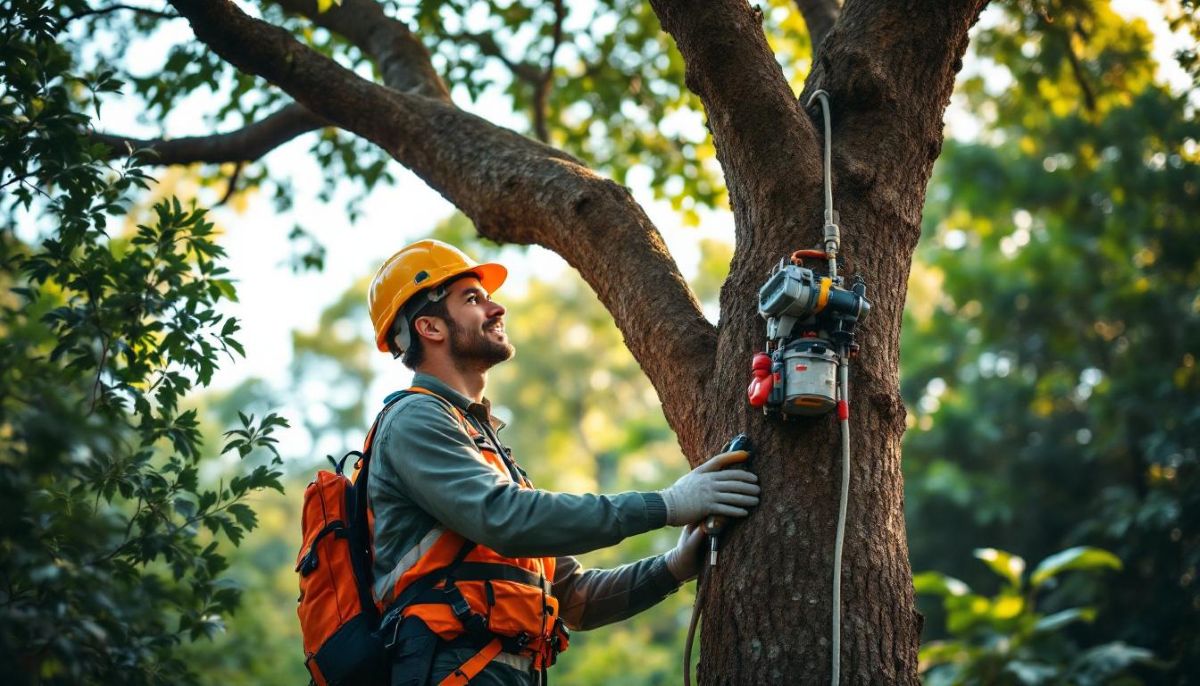
What Is Emergency Tree Removal and Why Is It Important in NSW? Emergency tree removal refers to the immediate extraction of trees that present urgent safety risks to people, property, or infrastructure. This specialized service addresses situations where trees have become structurally compromised and require swift professional intervention to prevent catastrophic outcomes. The importance of timely action cannot be overstated when dealing with hazardous trees in NSW. A tree leaning precariously over a home or blocking a major access route demands immediate attention—delays can result in: NSW experiences severe weather events including storms, high winds, and flooding that can rapidly transform healthy trees into immediate threats. You can find more information on how to deal with such situations in this storm damage FAQ. A tree that appears stable one moment may become critically dangerous within hours of a storm passing through. Professional arborists responding to these emergencies assess the risk level, secure the area, and execute safe removal procedures before the situation worsens. The distinction between routine tree removal and emergency situations lies in the urgency factor. While standard tree removal can be scheduled weeks in advance, emergency scenarios require same-day or even immediate response—often outside regular business hours. This urgency directly impacts both the approach taken by arborists and the tree removal cost NSW residents can expect to pay for these critical services. What Situations Require Immediate Tree Removal in NSW? In NSW, emergency tree situations need immediate professional help when trees pose a current threat to safety or property. Trees damaged by storms with split trunks, exposed roots, or significant structural damage need urgent removal to avoid collapse. Storm Damage and Structural Failure Severe weather events create the most common emergency tree situations across NSW. Trees that have been partially uprooted during storms remain unstable, with root systems no longer providing adequate support. Split or cracked trunks indicate internal structural failure that could lead to sudden collapse without warning. Large branches hanging precariously after high winds create immediate overhead hazards for anyone passing beneath. Fallen Trees Blocking Critical Access Trees that have fallen across driveways, roads, or building entrances require immediate removal to restore access. A tree blocking the only exit from a property creates a safety risk, particularly during ongoing weather emergencies when evacuation may become necessary. Fallen trees across public roads pose hazards to motorists and pedestrians, requiring rapid response to prevent accidents. Trees Threatening Power Infrastructure Hazardous branches NSW residents must address immediately include those touching or leaning toward power lines. Trees in contact with electrical infrastructure create electrocution risks and potential fire hazards. Even trees leaning heavily toward power lines without current contact require urgent assessment, as the next strong wind could bring branches into the wires. Contact with high-voltage transmission lines demands immediate professional intervention and coordination with energy providers. Buildings and Structures at Risk Trees leaning at dangerous angles toward homes, garages, or other structures need emergency removal before gravity completes the fall. Visible signs include: Branches with Imminent Failure Risk Storm-damaged trees often retain large branches that appear attached but have internal breaks or cracks. These widow makers can fall without warning, creating deadly hazards below. Dead branches over 10 centimeters in diameter hanging above walkways, play areas, or parking spaces require immediate removal. Branches showing fungal growth, hollow sections, or bark separation indicate decay that compromises structural integrity. How Is the Cost of Emergency Tree Removal Determined in NSW? Emergency tree removal pricing depends on multiple variables that arborists assess before providing a quote. The final cost reflects the complexity of the job, resources required, and the level of danger involved in the removal process. Tree Size and Species Larger trees command higher removal fees due to the increased labor, time, and equipment needed. A small tree under 5 meters might cost $1,172, while a massive eucalyptus exceeding 30 meters can reach $8,200 or more. Dense hardwoods like ironbark require specialized cutting equipment and take longer to process than softer species such as pine or willow. Tree height directly impacts accessibility challenges. Tall trees need professional climbers or crane operators to safely dismantle branches section by section. Species with extensive root systems or thick trunks also increase the difficulty of complete removal. Risk Level and Location Trees positioned near structures, power lines, or public spaces increase the complexity and danger of removal work. Arborists must use precision techniques to prevent collateral damage, which adds to labor costs. A tree leaning over a house requires careful rigging systems and controlled lowering of branches, unlike a tree in an open field. Proximity to underground utilities like gas lines or water pipes demands extra caution. Professionals may need to hand-dig around root systems rather than using machinery, significantly extending work hours. Urgency of Response After-hours callouts, weekend emergencies, and immediate response requests carry premium rates. Standard tree removal during business hours costs substantially less than a midnight emergency following a severe storm. The urgency premium can double or triple base rates due to: Complexity of the Removal Process Factors affecting cost tree removal include the tree’s condition and surrounding environment. A partially fallen tree tangled in power lines requires coordination with energy providers and specialized safety protocols. Trees with compromised structural integrity need careful assessment to prevent sudden collapse during removal. Limited access sites where cranes cannot reach force crews to use manual rigging systems and climbing techniques. Properties with narrow driveways, steep slopes, or restricted entry points increase labor intensity What Can You Expect to Pay for Emergency Tree Removal Services in NSW? The average emergency tree removal cost NSW typically falls between $1,172 and $8,200, with most homeowners paying around $3,500 for standard emergency interventions. The wide price range tree removal services cover reflects the diverse nature of emergency situations, from a single fallen branch to a massive eucalyptus threatening multiple structures. How Much Does Emergency Tree Removal Cost in NSW? The cost of emergency tree removal in NSW depends heavily on when you need the service. Here’s a breakdown…
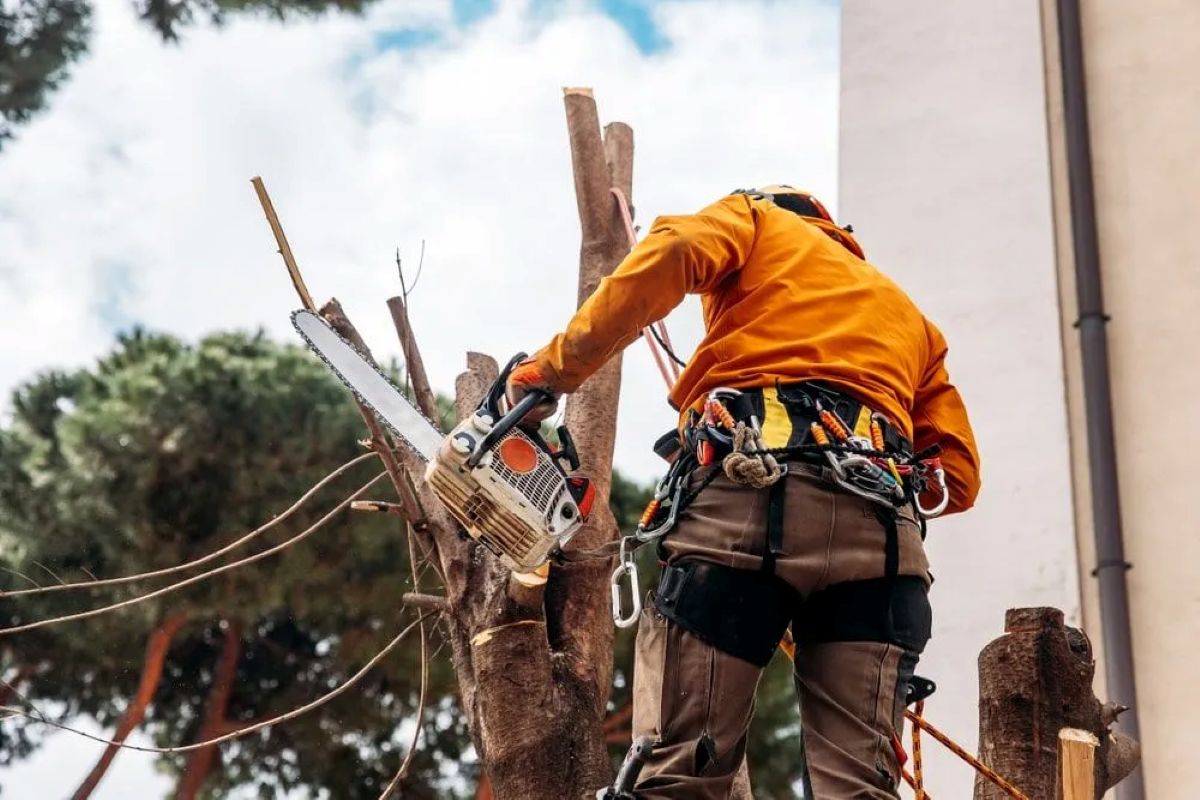
What Is a Comprehensive Arborist Report in Sydney and Why Is It Important? A comprehensive arborist report Sydney is a detailed professional document that evaluates the health, safety, and structural condition of trees on a property. Prepared by qualified arborists, this report provides critical insights into tree management and compliance requirements. The importance of arborist reports extends across multiple stakeholder groups: What’s included in a comprehensive arborist report Sydney? The document typically includes: These reports serve as essential tools for responsible tree management. They protect property values, ensure public safety, and maintain Sydney’s urban canopy while meeting statutory obligations. The thorough nature of these assessments helps prevent costly mistakes and legal complications related to tree work. What Qualifications Do Arborists Preparing These Reports Typically Have? AQF Level 5 arborist certification represents the gold standard for qualified arborists Sydney property owners should seek when commissioning comprehensive reports. This nationally recognized qualification—formally known as the Diploma of Arboriculture—demonstrates advanced knowledge in tree biology, risk assessment methodologies, and Australian standards for tree management. The certification requires extensive study covering tree physiology, identification of over 200 species, structural assessment techniques, and legal frameworks governing tree protection. Arborists holding this credential have completed rigorous practical assessments and theoretical examinations administered by registered training organizations. Why Certification Matters for Report Quality Certified professionals bring systematic assessment frameworks that untrained individuals cannot replicate. Their training includes standardized visual tree assessment methods, understanding of biomechanics affecting tree stability, and knowledge of pathology that might compromise structural integrity. This expertise directly translates to more accurate hazard identification and defensible recommendations. Reports prepared by AQF Level 5 certified arborists carry greater weight with local councils during development application processes. Sydney councils frequently require reports from qualified professionals meeting specific credential thresholds, particularly for significant trees or heritage-listed specimens. Experience Beyond Paper Credentials Years of practical experience complement formal qualifications by exposing arborists to diverse tree conditions across Sydney’s varied microclimates and soil types. Experienced practitioners recognize subtle indicators of decline that textbooks cannot fully capture—such as species-specific stress responses or regional pest patterns affecting particular suburbs. The combination of certification and field experience enables arborists to: Insurance and Professional Indemnity Requirements Qualified arborists Sydney councils accept for formal submissions maintain professional indemnity insurance and public liability coverage. These protections matter when reports influence decisions affecting property values, public safety, or legal disputes between neighbors. Insurance providers typically require proof of relevant qualifications before extending coverage to arboricultural consultants. Professional membership with organizations like Arboriculture Australia provides additional credibility markers. Members commit to ongoing professional development and adherence to industry codes What Does a Tree Health and Condition Assessment Include? A tree health assessment Sydney examines the physiological state of trees through systematic evaluation of foliage, bark, root systems, and growth patterns. Qualified arborists inspect crown density, leaf colour, and seasonal growth indicators to determine whether trees are thriving, declining, or in distress. Evaluating Overall Tree Vitality The assessment begins with visual inspection of the tree’s canopy. Arborists look for: Bark condition reveals significant information about internal health. Cracks, splits, or unusual textures often signal underlying problems requiring immediate attention. Identifying Disease Symptoms Tree disease evaluation involves recognizing specific pathogens affecting Sydney’s urban forest. Common indicators include: Arborists document disease progression stages to recommend appropriate treatment protocols or determine if removal becomes necessary for preventing spread to neighbouring trees. Detecting Pest Infestations Pest infestation detection requires examining trees for insect activity and damage patterns. Sydney properties commonly face threats from: Arborists assess infestation severity by checking for active insect presence, frass deposits, and extent of tissue damage affecting the tree’s vascular system. Assessing Structural Damage Physical damage assessment identifies wounds, cavities, and decay that compromise tree vitality. Inspection covers: How Is Structural Integrity and Safety Evaluated in the Report? A tree structural integrity assessment examines the physical stability of trees to identify immediate and potential hazards. Arborists conduct detailed visual inspections and sometimes use specialized equipment to detect internal decay, cracks, weak branch unions, and root system problems that compromise stability. Assessing Potential Hazards The tree safety inspection Sydney process focuses on identifying specific threats that trees pose to their surroundings. Arborists evaluate: Each identified hazard receives a risk rating based on the likelihood of failure and potential consequences. Trees near high-traffic areas or valuable property receive closer scrutiny than those in isolated locations. Methods Used to Determine Structural Soundness Qualified arborists employ multiple techniques during hazard identification: Visual Inspection Techniques Advanced Assessment Tools The arborist documents findings with precise measurements, noting cavity depths, crack lengths, and lean angles. This quantitative data supports professional judgments about tree stability. Safety Considerations for People and Property The evaluation prioritizes human safety and property protection above all other factors. Arborists consider the tree’s proximity to: Why Is Species Identification Important in Arborist Reports? Accurate tree species identification determines whether a tree falls under legal protection and directly affects what actions property owners can legally take. An arborist must correctly identify each tree’s botanical name because misidentification can lead to illegal removal, substantial fines, and project delays. Protected tree species receive special status under state environmental legislation and local council development control plans. Trees like the Turpentine (Syncarpia glomulifera), Blackbutt (Eucalyptus pilularis), and certain fig species cannot be removed or significantly pruned without specific approvals. Sydney councils maintain registers of significant trees, and species identification confirms whether a tree appears on these protected lists. Development applications require precise species information because approval conditions vary dramatically between common and protected species. A developer planning to remove a Spotted Gum (Corymbia maculata) faces different regulatory requirements than someone dealing with an introduced species like a Camphor Laurel (Cinnamomum camphora). The species name appears throughout council documentation, environmental impact statements, and legal permits. Species identification also reveals growth characteristics that inform management decisions. Native species like Angophoras develop hollow limbs as they age, creating habitat value that may trigger additional preservation requirements. Introduced species might be classified as environmental weeds, potentially simplifying removal approvals while requiring specific…

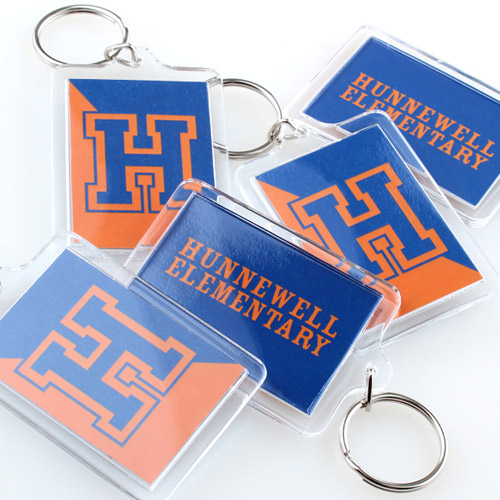
Custom acrylic keychains have become indispensable in retail promotions. Distinctive, durable, and eye-catching, these promotional items offer brands a unique way to connect with customers. With the promotional products industry valued at around $25.6 billion in 2022, it comes as no surprise that retailers are always on the lookout for innovative ways to strengthen their connection with consumers. From generating brand awareness to driving loyalty, custom acrylic keychains serve as versatile tools in the marketing toolbox. They capture attention quickly and are easy to distribute at events, in-store promotions, or even as part of loyalty programmes. This comprehensive guide explores the many facets of using custom acrylic keychains in retail promotions. This includes design considerations, practical applications, and measurable benefits for retail businesses looking to outshine competitors in an ever-evolving market. Design Appeal and Customisation Options Custom acrylic keychains create an immediate visual impact that helps brands stand out. Their clear, sleek surface works as a canvas for creative expressions that align with your brand identity. Retailers can incorporate a wide range of colours, logos, and intricate designs that make the keychains memorable. A bespoke keychain becomes more than just a functional accessory; it’s a piece of mobile advertising. Customisation options allow for a high degree of creativity. This nimbleness in design significantly contributes to brand recognition among customers. Retailers often consider the following design advantages when choosing acrylic keychains as promotional products: ease of printing, visual appeal, and the ability to be shaped into unique designs. Each of these factors plays a crucial role in crafting an attractive piece that remains with the consumer for a prolonged period-data even suggests that 75% of consumers keep promotional items for over a year. The Role of Colour and Transparency One of the standout features of acrylic keychains is the impressive use of colour. The transparency of acrylic materials helps to make colours appear more vibrant and gives the design an almost three-dimensional feel. Retailers can experiment with layers and textures to enhance the appeal. This ability to manipulate colour lends itself perfectly to retail promotions. A brand’s primary colours can be reinforced through the design, aligning the keychain with existing brand guidelines. When a customer carries an item that is a true representation of the brand palette, it creates a strong visual connection. The interplay of transparency and colour also means that custom acrylic keychains look modern and trendy. This is particularly appealing to a younger demographic, aligning visuals with contemporary style trends. Innovative Shapes and Finishes Acrylic keychains offer flexibility in terms of shape and finishing. Beyond the traditional rectangular or circular forms, retailers can choose custom cuts that represent elements from their industry or brand iconography. Varied shapes grab attention and foster conversation. This is especially effective when the keychain design mirrors the product or service the brand provides. For instance, electronics stores might opt for designs that evoke technology motifs, while fashion retailers could choose contours that resonate with their aesthetic. Finishing options like matte, gloss, or even textured touches enhance the tactile and visual experience. Keychains can also incorporate additional features such as engraving or layered effects, adding an extra dimension to the promotional item. Retail Benefits of Custom Acrylic Keychains Integrating custom acrylic keychains into retail promotions has consistent, tangible benefits. Companies using promotional products benefit from heightened brand awareness and a better overall impression among consumers. Research shows that 60% of recipients have a more favourable view of a brand after receiving a promotional item. This statistic highlights that consumers hold a positive association with brands that invest in quality promotional items. Custom acrylic keychains are a prime example of how small investments can yield remarkable returns. With an average ROI of $2.37 for every dollar spent, these items prove to be cost-effective and dynamic marketing tools. Retailers investing in these keychains enjoy increased customer engagement and improved recall rates. Data suggests that 58% of respondents can recall the name of the advertiser after receiving a promotional product. This level of cognitive retention is essential in a competitive retail environment. Cost Efficiency and High ROI Custom acrylic keychains balance cost efficiency with visual appeal. Their durable nature ensures longevity, meaning that a single promotional item keeps working long after the initial distribution. The low production cost combined with high perceived value drives an impressive return on investment. Even small businesses can leverage these benefits, as they combine affordability with the ability to make a lasting impression. Retailers can distribute these items without the need for substantial budgets, yet still command a strong brand presence in the market. Moreover, the scalable nature of production means that both small and large order quantities can be accommodated. This flexibility ensures that companies can test the market before committing to extensive promotional campaigns. Enhanced Customer Loyalty Using custom acrylic keychains as rewards can significantly enhance customer loyalty. If a customer receives a high-quality, attractive keychain, it not only reinforces their positive impression but also makes them feel valued. Such tokens of appreciation contribute to long-term customer retention strategies. In various retail settings, distributing these keychains during special events or as part of loyalty programmes can help cement customer relationships. Consumers who enjoy tangible benefits are more likely to keep returning to the store. Additionally, the utility of keychains ensures that the promotional message stays with the customer. Every time they use their set of keys, they are reminded of the brand, strengthening the cycle of brand engagement and loyalty. Effective Strategies for Retail Promotions Retail promotions are most effective when they combine creativity, utility, and brand alignment. Custom acrylic keychains serve as a tactical vehicle in retail strategy because they can be seamlessly integrated into a variety of promotional activities. The versatility of these items enhances the overall customer experience. Strategies should indeed focus on a mix of distribution tactics. Whether it is at trade shows, in-store promotions or as giveaways during special events, the creative use of keychains captures consumer interest premierly. Positioning them strategically can lead…

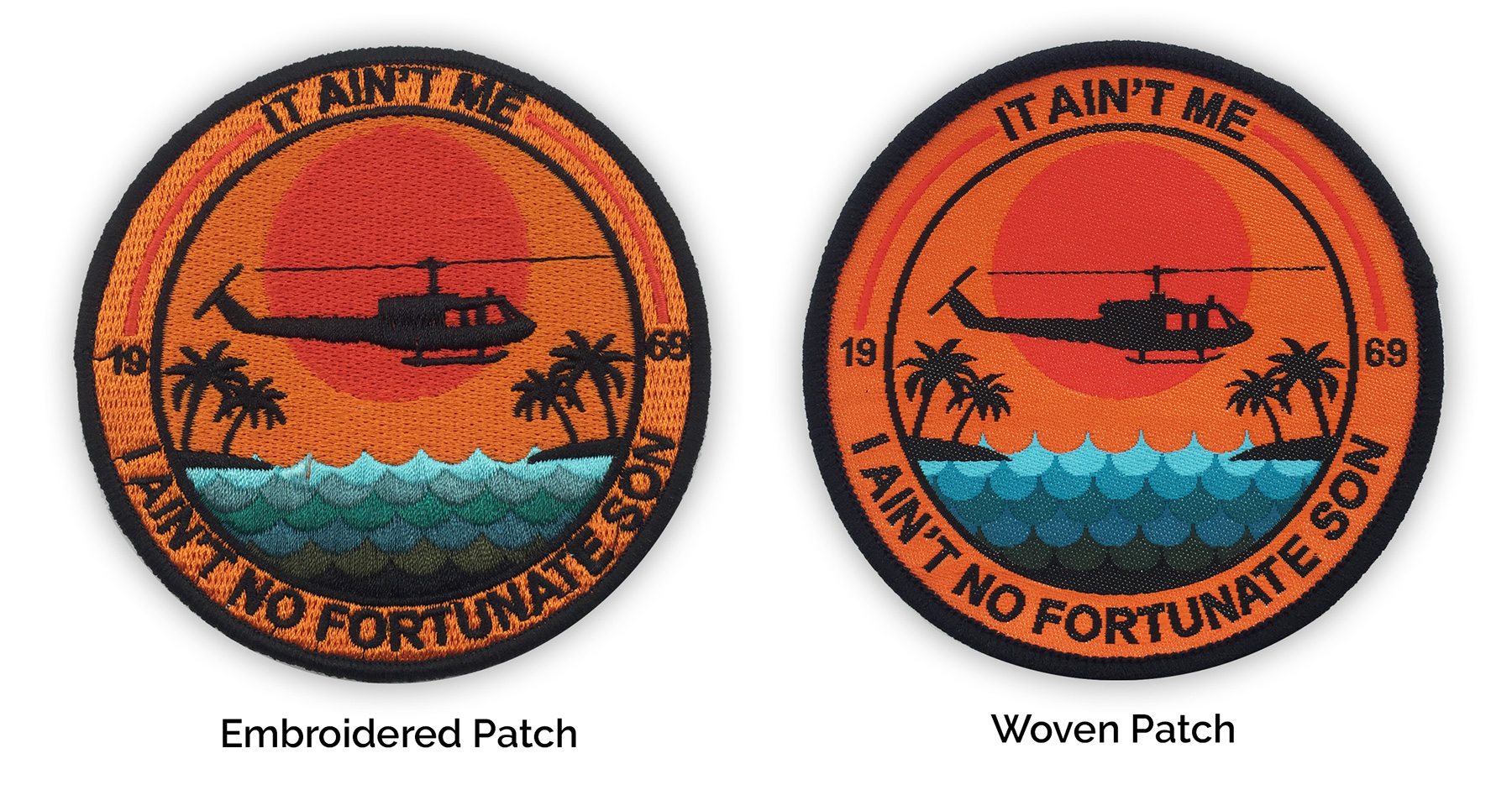
Badges play a major role in branding, fashion, and even team spirit. Whether you’re looking to accentuate a uniform or add a personalised touch to a jacket or cap, understanding the nuances between woven and embroidered badges can help you make an informed decision. A few key factors-from design complexity to durability and market trends-can impact your choice considerably. This guide will walk through the differences using clear, everyday language and real-world examples. Delve into each section to learn how craftsmanship, longevity, and design aesthetics come into play, ensuring you choose the perfect element to match your needs. Understanding the Basics of Woven and Embroidered Badges Material and Craftsmanship Details Woven badges are created by interlacing threads, formulating a design that is both intricate and delicate. This method allows designers to achieve fine details, including small text and gradients. In fact, woven badges excel when it comes to precision, which makes them a popular choice in sectors that require visual finesse. In contrast, embroidered badges are stitched using a machine that lays thick, colourful threads upon fabric. This technique delivers a textured, raised finish that conveys a sense of tradition and durability. The bold look of embroidered badges is especially desirable in applications where a classic, authoritative design is required. With each method, the chosen materials and techniques reflect the intended use. While woven designs excel in complex digital images, embroidery offers tactile quality and longevity that can resonate strongly with customers. Design Versatility and Adaptability The versatility of woven badges means they can capture intricate graphics and tiny details that would otherwise be lost. Designers appreciate this method for its potential to adapt complex logos, gradients, and patterns into a compact design. Embroidered badges, on the other hand, enhance simpler designs and bold visuals by adding texture and a more pronounced three-dimensional appearance. This tactile element often positions embroidered badges as a choice for sports teams, corporate branding, and other areas where durability and legibility are crucial. Differences in design adaptability mean that your selection should be dictated by the message you want your badge to convey. A detailed logo may thrive as a woven badge, while a timeless, bold emblem would be perfectly suited to embroidery. Durability and Longevity Quality Retention Over Time When it comes to durability, embroidered badges have a strong reputation. Studies have shown that embroidered logos retain 94% of their original appearance after 50 industrial washes. This durability makes them ideal for everyday wear, uniforms, and items that undergo frequent cleaning. The robustness of embroidered patches stands in clear contrast to many screen-printed alternatives, which tend to fade or crack over time. Customers in sectors such as fashion apparel and corporate uniforms value the reliability of embroidery, which enhances brand perception and operational competence. Although woven badges are praised for their intricate designs, they can sometimes be less resilient when exposed to harsh conditions. It is important to take this into account when the badge is intended for environments where wear and tear are common. Performance in Various Conditions The construction of embroidered badges generally provides an edge in extreme conditions. Even with consistent industrial washing, the threads hold up well, preserving clarity and colour vibrancy. Woven badges are subjected to high-quality craftsmanship that ensures a long lifecycle, though they may be more sensitive to mechanical stress. For example, on garments that are regularly stretched or exposed to abrasive materials, the fine threads might eventually break or display signs of wear. Consider your target usage environment carefully. If the item sees heavy use and frequent laundering, embroidery is the advisable route. For decorative or more formal applications, the delicate charm of woven badges can more than balance any potential trade-offs in longevity. Design Complexity and Visual Appeal Fine Details Versus Bold Statements Woven badges truly shine when a design requires detailed intricacies. For those with fine points like subtle gradients or small text, the interlacing threads are capable of capturing those visual subtleties with precision. This is particularly important where the badge serves as a miniature canvas that tells a bigger branding story. Embroidered badges tend to be better suited for strong, graphic designs that require bold visual statements. The raised, textured finish offers a timeless look, often linked to expertise and operational competence. Customers often associate this technique with reliability and a high standard of production quality. The visual outcome significantly depends on the inherent nature of each technique-deciding between them might well hinge on what aspects of the design one wishes to highlight. Detailed, customised artwork has a natural home in woven badges, while sturdy, prominent logos flourish as embroidered designs. Impact on Brand Perception The perception of quality is a crucial factor. Research indicates that 83% of customers associate embroidered branding with operational competence, a percentage that marks a significant rise over digital printing methods. This elevated customer perception strengthens brand credibility. While a woven badge might serve as a canvas for innovation, its detailed nature might not convey the robust confidence that an embroidered badge does. This tactile nature often suggests a premium product that can withstand the rigours of daily use without losing its cachet. Ultimately, the choice between a woven and an embroidered badge can communicate differing brand values. A badge that speaks of tradition, durability, and quality craftsmanship inevitably adds to a brand’s promise and market reliability. Market Trends and Consumer Preferences The Rise of Personalisation Personalisation in fashion and promotional merchandise is gaining immense traction. Recent research shows that personalised patch orders via e-commerce surged by 33% since 2022. Customers enjoy the emotional connection that comes with owning a unique piece. The demand for custom-made designs is evident as over 60% of consumers actively seek personalised products. Whether it is for a sports team, a corporate uniform, or retail attire, individual expression and uniqueness are at an all-time high. This surge in customisation signifies a shift towards a more customer-centric market, where each badge tells a personal story. Integrating these trends could enhance your brand’s…