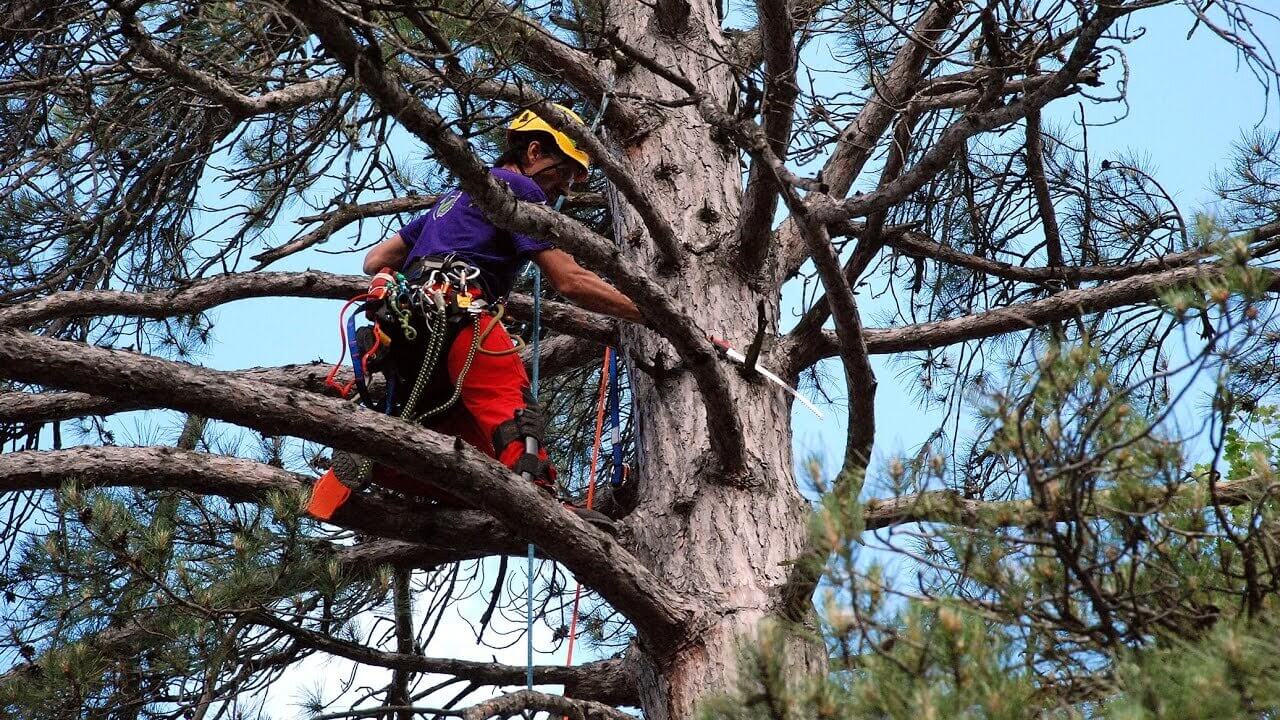
What Is Emergency Tree Removal and Why Is It Important in NSW? Emergency tree removal refers to the immediate extraction of trees that present urgent safety risks to people, property, or infrastructure. This specialized service addresses situations where trees have become structurally compromised and require swift professional intervention to prevent catastrophic outcomes. The importance of timely action cannot be overstated when dealing with hazardous trees in NSW. A tree leaning precariously over a home or blocking a major access route demands immediate attention—delays can result in: NSW experiences severe weather events including storms, high winds, and flooding that can rapidly transform healthy trees into immediate threats. You can find more information on how to deal with such situations in this storm damage FAQ. A tree that appears stable one moment may become critically dangerous within hours of a storm passing through. Professional arborists responding to these emergencies assess the risk level, secure the area, and execute safe removal procedures before the situation worsens. The distinction between routine tree removal and emergency situations lies in the urgency factor. While standard tree removal can be scheduled weeks in advance, emergency scenarios require same-day or even immediate response—often outside regular business hours. This urgency directly impacts both the approach taken by arborists and the tree removal cost NSW residents can expect to pay for these critical services. What Situations Require Immediate Tree Removal in NSW? In NSW, emergency tree situations need immediate professional help when trees pose a current threat to safety or property. Trees damaged by storms with split trunks, exposed roots, or significant structural damage need urgent removal to avoid collapse. Storm Damage and Structural Failure Severe weather events create the most common emergency tree situations across NSW. Trees that have been partially uprooted during storms remain unstable, with root systems no longer providing adequate support. Split or cracked trunks indicate internal structural failure that could lead to sudden collapse without warning. Large branches hanging precariously after high winds create immediate overhead hazards for anyone passing beneath. Fallen Trees Blocking Critical Access Trees that have fallen across driveways, roads, or building entrances require immediate removal to restore access. A tree blocking the only exit from a property creates a safety risk, particularly during ongoing weather emergencies when evacuation may become necessary. Fallen trees across public roads pose hazards to motorists and pedestrians, requiring rapid response to prevent accidents. Trees Threatening Power Infrastructure Hazardous branches NSW residents must address immediately include those touching or leaning toward power lines. Trees in contact with electrical infrastructure create electrocution risks and potential fire hazards. Even trees leaning heavily toward power lines without current contact require urgent assessment, as the next strong wind could bring branches into the wires. Contact with high-voltage transmission lines demands immediate professional intervention and coordination with energy providers. Buildings and Structures at Risk Trees leaning at dangerous angles toward homes, garages, or other structures need emergency removal before gravity completes the fall. Visible signs include: Branches with Imminent Failure Risk Storm-damaged trees often retain large branches that appear attached but have internal breaks or cracks. These widow makers can fall without warning, creating deadly hazards below. Dead branches over 10 centimeters in diameter hanging above walkways, play areas, or parking spaces require immediate removal. Branches showing fungal growth, hollow sections, or bark separation indicate decay that compromises structural integrity. How Is the Cost of Emergency Tree Removal Determined in NSW? Emergency tree removal pricing depends on multiple variables that arborists assess before providing a quote. The final cost reflects the complexity of the job, resources required, and the level of danger involved in the removal process. Tree Size and Species Larger trees command higher removal fees due to the increased labor, time, and equipment needed. A small tree under 5 meters might cost $1,172, while a massive eucalyptus exceeding 30 meters can reach $8,200 or more. Dense hardwoods like ironbark require specialized cutting equipment and take longer to process than softer species such as pine or willow. Tree height directly impacts accessibility challenges. Tall trees need professional climbers or crane operators to safely dismantle branches section by section. Species with extensive root systems or thick trunks also increase the difficulty of complete removal. Risk Level and Location Trees positioned near structures, power lines, or public spaces increase the complexity and danger of removal work. Arborists must use precision techniques to prevent collateral damage, which adds to labor costs. A tree leaning over a house requires careful rigging systems and controlled lowering of branches, unlike a tree in an open field. Proximity to underground utilities like gas lines or water pipes demands extra caution. Professionals may need to hand-dig around root systems rather than using machinery, significantly extending work hours. Urgency of Response After-hours callouts, weekend emergencies, and immediate response requests carry premium rates. Standard tree removal during business hours costs substantially less than a midnight emergency following a severe storm. The urgency premium can double or triple base rates due to: Complexity of the Removal Process Factors affecting cost tree removal include the tree’s condition and surrounding environment. A partially fallen tree tangled in power lines requires coordination with energy providers and specialized safety protocols. Trees with compromised structural integrity need careful assessment to prevent sudden collapse during removal. Limited access sites where cranes cannot reach force crews to use manual rigging systems and climbing techniques. Properties with narrow driveways, steep slopes, or restricted entry points increase labor intensity What Can You Expect to Pay for Emergency Tree Removal Services in NSW? The average emergency tree removal cost NSW typically falls between $1,172 and $8,200, with most homeowners paying around $3,500 for standard emergency interventions. The wide price range tree removal services cover reflects the diverse nature of emergency situations, from a single fallen branch to a massive eucalyptus threatening multiple structures. How Much Does Emergency Tree Removal Cost in NSW? The cost of emergency tree removal in NSW depends heavily on when you need the service. Here’s a breakdown…
Category: Arborists Sydney
What Is a Comprehensive Arborist Report in Sydney and Why Is It Important? A comprehensive arborist report Sydney is a detailed professional document that evaluates the health, safety, and structural condition of trees on a property. Prepared by qualified arborists, this report provides critical insights into tree management and compliance requirements. The importance of arborist reports extends across multiple stakeholder groups: What’s included in a comprehensive arborist report Sydney? The document typically includes: These reports serve as essential tools for responsible tree management. They protect property values, ensure public safety, and maintain Sydney’s urban canopy while meeting statutory obligations. The thorough nature of these assessments helps prevent costly mistakes and legal complications related to tree work. What Qualifications Do Arborists Preparing These Reports Typically Have? AQF Level 5 arborist certification represents the gold standard for qualified arborists Sydney property owners should seek when commissioning comprehensive reports. This nationally recognized qualification—formally known as the Diploma of Arboriculture—demonstrates advanced knowledge in tree biology, risk assessment methodologies, and Australian standards for tree management. The certification requires extensive study covering tree physiology, identification of over 200 species, structural assessment techniques, and legal frameworks governing tree protection. Arborists holding this credential have completed rigorous practical assessments and theoretical examinations administered by registered training organizations. Why Certification Matters for Report Quality Certified professionals bring systematic assessment frameworks that untrained individuals cannot replicate. Their training includes standardized visual tree assessment methods, understanding of biomechanics affecting tree stability, and knowledge of pathology that might compromise structural integrity. This expertise directly translates to more accurate hazard identification and defensible recommendations. Reports prepared by AQF Level 5 certified arborists carry greater weight with local councils during development application processes. Sydney councils frequently require reports from qualified professionals meeting specific credential thresholds, particularly for significant trees or heritage-listed specimens. Experience Beyond Paper Credentials Years of practical experience complement formal qualifications by exposing arborists to diverse tree conditions across Sydney’s varied microclimates and soil types. Experienced practitioners recognize subtle indicators of decline that textbooks cannot fully capture—such as species-specific stress responses or regional pest patterns affecting particular suburbs. The combination of certification and field experience enables arborists to: Insurance and Professional Indemnity Requirements Qualified arborists Sydney councils accept for formal submissions maintain professional indemnity insurance and public liability coverage. These protections matter when reports influence decisions affecting property values, public safety, or legal disputes between neighbors. Insurance providers typically require proof of relevant qualifications before extending coverage to arboricultural consultants. Professional membership with organizations like Arboriculture Australia provides additional credibility markers. Members commit to ongoing professional development and adherence to industry codes What Does a Tree Health and Condition Assessment Include? A tree health assessment Sydney examines the physiological state of trees through systematic evaluation of foliage, bark, root systems, and growth patterns. Qualified arborists inspect crown density, leaf colour, and seasonal growth indicators to determine whether trees are thriving, declining, or in distress. Evaluating Overall Tree Vitality The assessment begins with visual inspection of the tree’s canopy. Arborists look for: Bark condition reveals significant information about internal health. Cracks, splits, or unusual textures often signal underlying problems requiring immediate attention. Identifying Disease Symptoms Tree disease evaluation involves recognizing specific pathogens affecting Sydney’s urban forest. Common indicators include: Arborists document disease progression stages to recommend appropriate treatment protocols or determine if removal becomes necessary for preventing spread to neighbouring trees. Detecting Pest Infestations Pest infestation detection requires examining trees for insect activity and damage patterns. Sydney properties commonly face threats from: Arborists assess infestation severity by checking for active insect presence, frass deposits, and extent of tissue damage affecting the tree’s vascular system. Assessing Structural Damage Physical damage assessment identifies wounds, cavities, and decay that compromise tree vitality. Inspection covers: How Is Structural Integrity and Safety Evaluated in the Report? A tree structural integrity assessment examines the physical stability of trees to identify immediate and potential hazards. Arborists conduct detailed visual inspections and sometimes use specialized equipment to detect internal decay, cracks, weak branch unions, and root system problems that compromise stability. Assessing Potential Hazards The tree safety inspection Sydney process focuses on identifying specific threats that trees pose to their surroundings. Arborists evaluate: Each identified hazard receives a risk rating based on the likelihood of failure and potential consequences. Trees near high-traffic areas or valuable property receive closer scrutiny than those in isolated locations. Methods Used to Determine Structural Soundness Qualified arborists employ multiple techniques during hazard identification: Visual Inspection Techniques Advanced Assessment Tools The arborist documents findings with precise measurements, noting cavity depths, crack lengths, and lean angles. This quantitative data supports professional judgments about tree stability. Safety Considerations for People and Property The evaluation prioritizes human safety and property protection above all other factors. Arborists consider the tree’s proximity to: Why Is Species Identification Important in Arborist Reports? Accurate tree species identification determines whether a tree falls under legal protection and directly affects what actions property owners can legally take. An arborist must correctly identify each tree’s botanical name because misidentification can lead to illegal removal, substantial fines, and project delays. Protected tree species receive special status under state environmental legislation and local council development control plans. Trees like the Turpentine (Syncarpia glomulifera), Blackbutt (Eucalyptus pilularis), and certain fig species cannot be removed or significantly pruned without specific approvals. Sydney councils maintain registers of significant trees, and species identification confirms whether a tree appears on these protected lists. Development applications require precise species information because approval conditions vary dramatically between common and protected species. A developer planning to remove a Spotted Gum (Corymbia maculata) faces different regulatory requirements than someone dealing with an introduced species like a Camphor Laurel (Cinnamomum camphora). The species name appears throughout council documentation, environmental impact statements, and legal permits. Species identification also reveals growth characteristics that inform management decisions. Native species like Angophoras develop hollow limbs as they age, creating habitat value that may trigger additional preservation requirements. Introduced species might be classified as environmental weeds, potentially simplifying removal approvals while requiring specific…
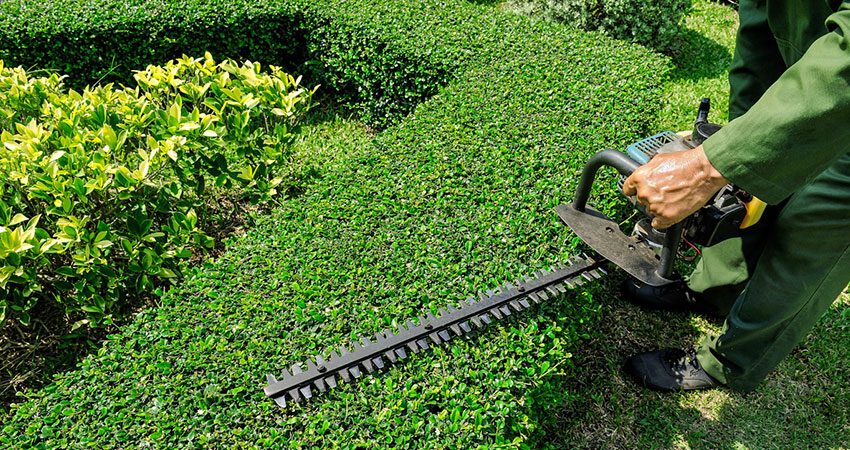
Professional hedge trimming is an essential part of effective landscape maintenance. It plays a crucial role in promoting healthy plant growth and creating beautiful outdoor spaces. Regular trimming by experts goes beyond just looking good – it’s an important practice for keeping plants alive and helping them grow strong. Skilled arborists have the knowledge and skills to take care of hedges properly, which brings many benefits: Professional hedge trimming creates the perfect environment for plants to grow by using precise cutting angles, timing, and expert knowledge of plant care. This careful approach ensures that hedges receive the specific care they need based on their type and growing conditions, setting the stage for long-lasting health and vitality. The Role of Professional Hedge Trimming in Plant Health Professional hedge trimming plays a vital role in maintaining optimal plant health through precise size control and disease management. Skilled arborists understand the delicate balance between aesthetic appeal and biological requirements of different hedge species. Size Control and Shape Maintenance Disease Prevention Through Expert Pruning The importance of expert pruning techniques cannot be understated as they not only help in disease prevention but also significantly enhance the overall health and productivity of the plants. Dead Branch Management Professional hedge maintenance creates an environment where plants can thrive without compromising their structural integrity. Certified arborists employ specific cutting techniques such as those outlined in this expert study guide, which stimulate healthy growth patterns while maintaining desired shapes. This expertise ensures each trim supports the plant’s natural defence systems and promotes robust development throughout the growing season. Regular professional maintenance also allows for early detection of potential health issues, enabling prompt intervention before problems escalate. This proactive approach to hedge care significantly reduces the likelihood of serious plant diseases and supports long-term vitality. For instance, understanding how to grow and maintain Leyland cypress trees can be great among benefits of professional hedge trimming and maintenance services. Enhancing Structural Integrity Through Expert Trimming Techniques Professional hedge trimming requires specialised knowledge and precise techniques to maintain structural integrity. Certified arborists understand the intricate balance between aesthetic appeal and plant health, employing specific cutting methods that promote strong growth patterns. Key Precision Techniques: The implementation of careful maintenance strategies prevents structural weaknesses that could lead to long-term damage. Professional arborists assess factors such as: Each hedge type demands unique trimming approaches for optimal development. Skilled arborists adapt their techniques based on: Species-Specific Requirements: Professional hedge maintenance incorporates advanced tools and equipment calibrated for different hedge varieties. This precision approach ensures controlled development while preserving the plant’s natural defence mechanisms. Proper technique application creates strong scaffold branches that support future growth and maintain structural stability throughout the hedge’s lifecycle. The expertise of certified arborists extends to identifying potential structural issues before they become problematic, a proactive approach which is essential in establishing robust hedges that maintain their desired shape and size while promoting healthy, sustained growth patterns. This comprehensive understanding of tree biology and structural integrity further enhances their ability to deliver effective trimming services. The Benefits of Well-Maintained Hedges: Visual Appeal and Property Value Professional hedge trimming can turn ordinary garden boundaries into beautiful landscape features that greatly improve the look of your property and its market value. According to real estate experts, well-maintained hedges can increase property values by 3-5%. Key Aesthetic Benefits: A customised care plan ensures hedges receive appropriate attention throughout their growth cycles. These tailored maintenance schedules consider: Professional post-trimming services maintain the pristine appearance of outdoor spaces: Regular maintenance creates inviting outdoor spaces that serve multiple purposes: It’s important to note that the benefits of well-maintained hedges extend beyond aesthetics and property value. They also contribute significantly to the overall health of your garden. Healthy trees and hedges play a crucial role in improving air quality, providing shade, and supporting local biodiversity. Professional hedge care goes beyond just looking good – it also creates functional outdoor spaces that go well with architectural elements while keeping the value of your property intact. In Sydney’s competitive real estate market, well-maintained hedges are especially valued because they show careful property care and management. The implementation of systematic maintenance programmes ensures hedges remain healthy and attractive throughout all seasons. These programmes include scheduled trimming, fertilisation, and preventive care measures tailored to specific hedge varieties and local growing conditions. Conclusion Professional hedge trimming is a valuable investment for property owners who want to maintain healthy and beautiful landscapes. Expert arborists have specialized knowledge of local conditions, plant species, and precise trimming techniques that promote optimal growth patterns and structural integrity. The benefits of professional hedge maintenance go beyond just looking good: Certified arborists provide tailored care plans that take into account Sydney’s unique climate and growing conditions. Their expertise ensures that hedges receive the right maintenance throughout the seasons, protecting these valuable landscape features for years to come. The combination of skilled professionals, proper equipment, and customized care results in thriving hedges that enhance both garden health and property value—making professional hedge trimming an essential service for discerning property owners. More to Read : Tree Pruning Pricing: How to Budget for Your Project
Tree pruning is an essential part of maintaining your property and keeping your landscape healthy. By setting aside a budget for tree pruning projects, you can protect both your trees and your property while avoiding any unexpected financial burdens. The cost of tree pruning services can vary depending on several factors: Hiring professional tree pruning services comes with important benefits that make the investment worthwhile: By understanding these factors, you can create a more accurate budget for your tree pruning projects. Getting a thorough assessment from certified arborists will ensure that you receive precise cost estimates and high-quality service, making your investments in tree care practical and valuable as a property owner. Understanding Tree Pruning and Its Purpose Tree pruning and trimming, while often used interchangeably, serve distinct purposes in tree care. Pruning involves the selective removal of specific branches to enhance tree structure and health, while trimming focuses on aesthetic maintenance and basic size control. Professional tree pruning delivers essential benefits for tree health and safe growth: Common reasons for tree pruning include: Proper pruning techniques require precise cuts at specific angles and locations to promote healing and prevent decay. Each cut must serve a clear purpose, as excessive pruning can stress trees and create entry points for diseases. Key Factors Influencing Tree Pruning Pricing Tree pruning costs vary significantly based on several critical factors that professional arborists consider when providing service quotes. 1. Tree Size and Height The height directly impacts labour requirements, equipment needs, and time investment. 2. Species Characteristics Different tree species have unique traits that affect pruning techniques and efforts. 3. Tree Health Assessment Assessing the health of the tree is crucial in determining the approach to pruning. 4. Site Accessibility The accessibility of the site plays a significant role in determining the equipment and techniques used. 5. Equipment Requirements Specific equipment may be necessary depending on the characteristics of the tree and the site. Each project’s unique combination of these factors determines the final tree pruning pricing structure, making professional assessment essential for accurate cost estimation. Typical Cost Ranges for Tree Pruning Services in Sydney The cost of tree pruning services in Sydney varies depending on the size and type of tree. Here is a breakdown of the current market rates: Small Trees (Under 30 ft) Medium Trees (30-60 ft) Large Trees (Over 60 ft) Different tree species require specific pruning techniques, which can affect the final cost: These prices reflect standard pruning services in easily accessible locations. The exact cost will depend on the specific condition of the tree and its location within the Sydney metropolitan area. Additional Costs to Consider When Budgeting for Tree Pruning in Sydney Tree pruning projects often include essential supplementary services that affect the total budget. A comprehensive understanding of these additional costs helps create an accurate financial plan. Debris Removal Services Stump-Related Services These costs vary based on: Note: Council permits might be required for certain stump removal operations, adding $100-200 to project costs. It’s advisable to check with local forestry operations for specific requirements. Additionally, if tree removal is involved, you may need to apply for a tree removal or encroachment permit, which could further impact your budget. Timing and Frequency Impact on Your Tree Pruning Budget in Sydney Seasonal timing plays a crucial role in tree pruning costs across Sydney. Late winter presents optimal pricing opportunities, as reduced foliage allows easier access and visibility for arborists. Peak seasons, particularly spring and summer, often command premium rates due to increased demand. Different trees require varied pruning schedules: Mature Trees Young Trees Fruit-Bearing Trees Evergreens The ideal pruning schedule balances tree health requirements with budget considerations. Establishing a regular maintenance pattern helps distribute costs throughout the year, preventing unexpected expenses from emergency pruning needs. Native Australian species adapt well to winter pruning, making June-August an economical choice for Sydney tree maintenance. This timing allows trees to heal before spring growth while securing better rates from arborists during their less busy period. Why Hiring Certified Arborists is Essential for Your Tree Pruning Project in Sydney? Professional tree care requires specialised knowledge and expertise that certified arborists possess through rigorous training and certification. Licensed arborists bring critical benefits to tree pruning projects: Safety Assurance Technical Expertise Certified arborists handle complex scenarios that untrained individuals should not attempt: Arbor Pride’s certified team maintains memberships with key industry bodies: These credentials ensure pruning work meets professional standards while protecting property value and tree health. The expertise of certified arborists becomes particularly valuable when dealing with hazardous situations or protected species that require special permits. See Also : Benefits of Professional Hedge Trimming for Healthy Growth Planning Your Tree Pruning Budget Effectively with Certified Arborists in Mind A well-structured budget for tree pruning projects requires careful consideration of multiple elements. Here’s a comprehensive approach to planning costs with certified arborists: Essential Elements for Detailed Quotes Additional Services to Include in Budget Cost-Saving Considerations The most accurate budgeting approach involves requesting on-site assessments from certified arborists. These professionals evaluate specific factors affecting project costs: A detailed written quote from a certified arborist serves as a valuable planning tool, helping create realistic budgets while ensuring all necessary services are included. Professional arborists also identify potential challenges that might affect costs, allowing for proper financial preparation. Conclusion Professional tree pruning is an important investment for keeping your property safe and ensuring the health of your trees. Certified arborists have the knowledge, tools, and insurance needed to do the job right. They know how to make precise cuts, prevent diseases, and follow local rules. The cost of hiring professionals for tree pruning reflects the value of: By setting a budget and hiring certified arborists, you can protect both your trees and the value of your property. Investing in professional tree care will bring long-lasting benefits such as healthy, safe, and beautiful trees that enhance any Sydney property.
Understanding the role of a reliable arborist When it comes to maintaining the lush greenery of your garden, hiring a reliable arborist is paramount. These professionals bring a wealth of knowledge and expertise in tree care, ensuring that your trees not only survive but thrive in their environment. Arborists are trained to assess the health of trees, understand their growth patterns, and identify any potential issues before they become significant problems. Through their expertise, they can guide you on the best practices for maintaining the vitality of your beloved trees. The importance of professional tree care Professional tree care is essential for a variety of reasons. Firstly, it helps to prevent potential hazards. Overgrown or diseased trees can pose a threat to both property and people. An arborist North Sydney can assess risk factors and implement necessary measures to mitigate these dangers. Moreover, proper tree care can enhance the overall aesthetic of your landscape. Well-maintained trees add beauty and character to any property, thus elevating your outdoor space. Additionally, healthy trees contribute to the environment by improving air quality, providing shade, and supporting local wildlife. The presence of mature trees can also increase property values, making them not just a visual asset but a financial one as well. What does an arborist do? An arborist performs a myriad of tasks. Their job extends beyond mere tree cutting. They specialise in tree planting, pruning, and caring for trees throughout their life cycle. They conduct detailed assessments to diagnose issues related to pests, diseases, and structural weaknesses in trees. By employing the latest techniques and tools, arborists ensure the best practices are followed for every type of tree. Furthermore, they are adept at providing advice on species selection, ensuring that the right trees are planted in the right locations, which is crucial for their long-term success. An arborist’s role also involves educating clients about the importance of biodiversity in their gardens, encouraging the planting of native species that can better withstand local conditions and support local ecosystems. Click here to get also about top stump grinding services. The benefits of hiring a North Sydney arborist Engaging the services of a North Sydney arborist comes with a multitude of benefits that can save you time, money, and even added headaches in the long run. Firstly, local arborists understand the specific climatic and soil conditions of North Sydney, allowing them to make informed recommendations tailored to your landscape. Their local expertise can be invaluable in fostering the health of your trees. Ensuring tree health and longevity One of the primary benefits of hiring an arborist is their ability to monitor tree health effectively. Regular check-ups can catch early signs of disease or distress, allowing for timely interventions. By using their trained insights, arborists can suggest the right treatments and maintenance schedules that ensure your trees flourish for many years. This proactive approach can extend the lifespan of your trees significantly. Preventing tree diseases and pests Another key advantage of employing an arborist is their capacity to identify and treat tree diseases and pest infestations. With their experience, arborists can promptly recognise symptoms that may go unnoticed by the untrained eye. Preventive care, including pest management and disease control, is crucial in maintaining the health of your trees. An arborist will provide the right solutions, ensuring that your trees remain resilient against common threats. How a reliable arborist enhances your tree’s longevity To truly leverage the benefits of professional tree care, it’s essential to understand how services from a reliable arborist can directly enhance your tree’s longevity. Consistent maintenance, proper nutrition, and regular assessments set the foundation for lasting health in your trees. This applies regardless of whether you have ornamental trees, fruit-bearing trees, or those simply providing shade. Regular tree maintenance and pruning Regular maintenance is the backbone of tree health. Pruning is crucial as it allows for the removal of dead or diseased branches, promoting better air circulation and sunlight penetration. By maintaining an appropriate balance in your trees, a professional arborist can significantly boost growth and flower or fruit production. Such proactive measures lead to healthier, more resilient trees. Proper tree nutrition and watering The right nutrition and watering regimen are equally important. An arborist can identify nutrient deficiencies and recommend appropriate fertilisation techniques. Moreover, they can advise on proper watering schedules that cater to the specific needs of your trees, which is vital, especially in varied seasons. Choosing the right arborist in North Sydney Selecting an arborist may seem daunting, but a few simple strategies can make this task easier. The right arborist can transform your landscape and ensure the health and longevity of your trees. It’s worth investing the time to find a reputable professional who understands your needs and has the appropriate qualifications and experience. Qualities to look for in an arborist When considering an arborist, look for qualifications and certifications. A certified arborist will have undergone rigorous training and demonstrated a commitment to professional standards. Experience is also key; an arborist with a strong background in various tree care practices will be better equipped to handle your unique challenges. Questions to ask before hiring an arborist Before making a decision, it’s essential to ask some pivotal questions. Inquire about their insurance coverage, guarantees on their work, and the techniques they plan to implement for your trees. Additionally, seek references from previous clients to gauge satisfaction and the quality of service provided. The impact of tree care on property value The care you provide for your trees can significantly affect your property’s value. Well-maintained trees not only enhance the appearance of your landscape but also add functional benefits. Investing in the services of a reliable arborist contributes not just to the health of the trees but ultimately to the overall appeal and valuation of your property. The aesthetic value of well-maintained trees One cannot underestimate the aesthetic value that healthy trees provide. They create stunning focal points, offer shade, and contribute to a calming environment. Well-tended trees can…