
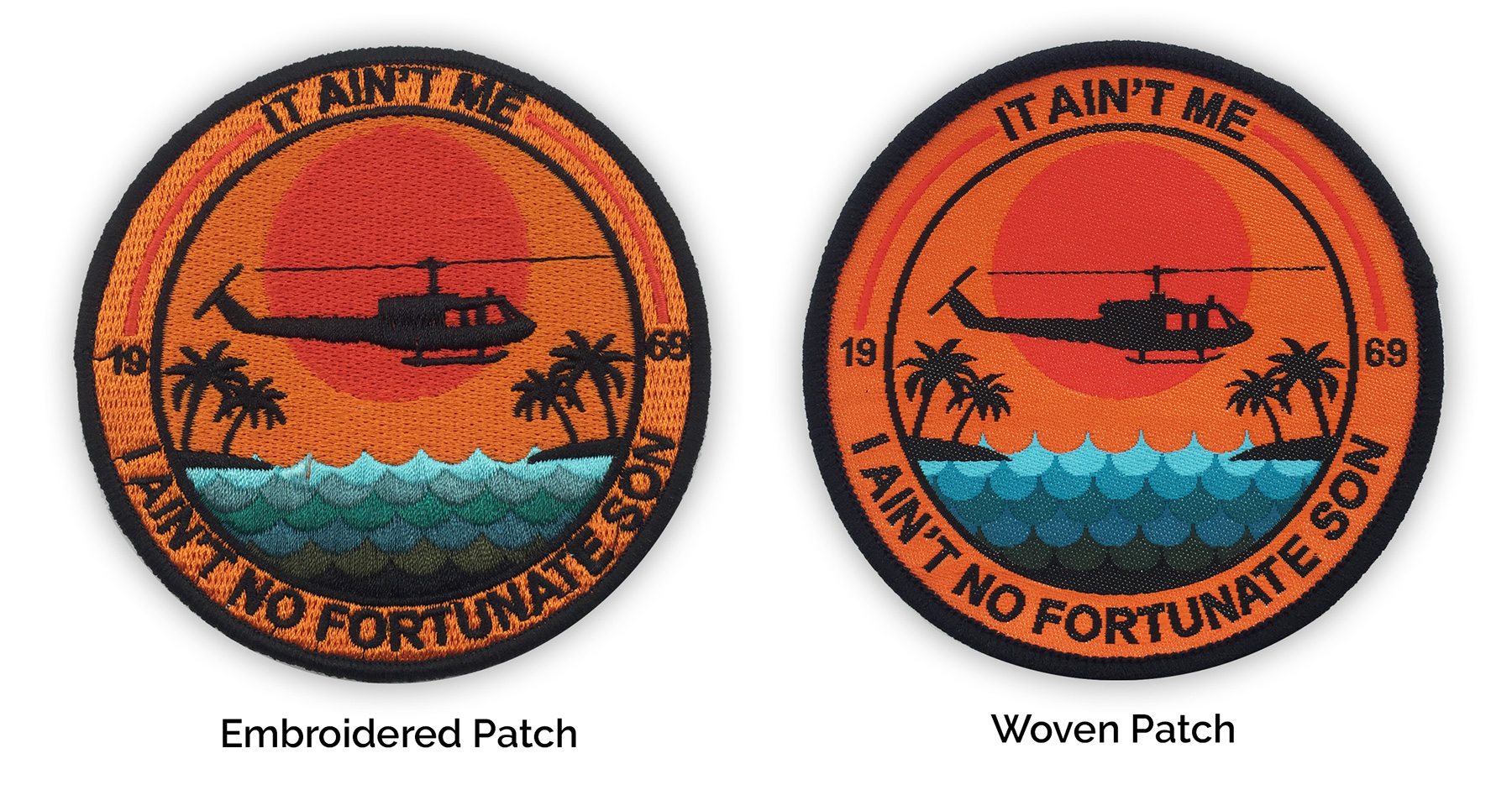
Badges play a major role in branding, fashion, and even team spirit. Whether you’re looking to accentuate a uniform or add a personalised touch to a jacket or cap, understanding the nuances between woven and embroidered badges can help you make an informed decision. A few key factors-from design complexity to durability and market trends-can impact your choice considerably. This guide will walk through the differences using clear, everyday language and real-world examples. Delve into each section to learn how craftsmanship, longevity, and design aesthetics come into play, ensuring you choose the perfect element to match your needs. Understanding the Basics of Woven and Embroidered Badges Material and Craftsmanship Details Woven badges are created by interlacing threads, formulating a design that is both intricate and delicate. This method allows designers to achieve fine details, including small text and gradients. In fact, woven badges excel when it comes to precision, which makes them a popular choice in sectors that require visual finesse. In contrast, embroidered badges are stitched using a machine that lays thick, colourful threads upon fabric. This technique delivers a textured, raised finish that conveys a sense of tradition and durability. The bold look of embroidered badges is especially desirable in applications where a classic, authoritative design is required. With each method, the chosen materials and techniques reflect the intended use. While woven designs excel in complex digital images, embroidery offers tactile quality and longevity that can resonate strongly with customers. Design Versatility and Adaptability The versatility of woven badges means they can capture intricate graphics and tiny details that would otherwise be lost. Designers appreciate this method for its potential to adapt complex logos, gradients, and patterns into a compact design. Embroidered badges, on the other hand, enhance simpler designs and bold visuals by adding texture and a more pronounced three-dimensional appearance. This tactile element often positions embroidered badges as a choice for sports teams, corporate branding, and other areas where durability and legibility are crucial. Differences in design adaptability mean that your selection should be dictated by the message you want your badge to convey. A detailed logo may thrive as a woven badge, while a timeless, bold emblem would be perfectly suited to embroidery. Durability and Longevity Quality Retention Over Time When it comes to durability, embroidered badges have a strong reputation. Studies have shown that embroidered logos retain 94% of their original appearance after 50 industrial washes. This durability makes them ideal for everyday wear, uniforms, and items that undergo frequent cleaning. The robustness of embroidered patches stands in clear contrast to many screen-printed alternatives, which tend to fade or crack over time. Customers in sectors such as fashion apparel and corporate uniforms value the reliability of embroidery, which enhances brand perception and operational competence. Although woven badges are praised for their intricate designs, they can sometimes be less resilient when exposed to harsh conditions. It is important to take this into account when the badge is intended for environments where wear and tear are common. Performance in Various Conditions The construction of embroidered badges generally provides an edge in extreme conditions. Even with consistent industrial washing, the threads hold up well, preserving clarity and colour vibrancy. Woven badges are subjected to high-quality craftsmanship that ensures a long lifecycle, though they may be more sensitive to mechanical stress. For example, on garments that are regularly stretched or exposed to abrasive materials, the fine threads might eventually break or display signs of wear. Consider your target usage environment carefully. If the item sees heavy use and frequent laundering, embroidery is the advisable route. For decorative or more formal applications, the delicate charm of woven badges can more than balance any potential trade-offs in longevity. Design Complexity and Visual Appeal Fine Details Versus Bold Statements Woven badges truly shine when a design requires detailed intricacies. For those with fine points like subtle gradients or small text, the interlacing threads are capable of capturing those visual subtleties with precision. This is particularly important where the badge serves as a miniature canvas that tells a bigger branding story. Embroidered badges tend to be better suited for strong, graphic designs that require bold visual statements. The raised, textured finish offers a timeless look, often linked to expertise and operational competence. Customers often associate this technique with reliability and a high standard of production quality. The visual outcome significantly depends on the inherent nature of each technique-deciding between them might well hinge on what aspects of the design one wishes to highlight. Detailed, customised artwork has a natural home in woven badges, while sturdy, prominent logos flourish as embroidered designs. Impact on Brand Perception The perception of quality is a crucial factor. Research indicates that 83% of customers associate embroidered branding with operational competence, a percentage that marks a significant rise over digital printing methods. This elevated customer perception strengthens brand credibility. While a woven badge might serve as a canvas for innovation, its detailed nature might not convey the robust confidence that an embroidered badge does. This tactile nature often suggests a premium product that can withstand the rigours of daily use without losing its cachet. Ultimately, the choice between a woven and an embroidered badge can communicate differing brand values. A badge that speaks of tradition, durability, and quality craftsmanship inevitably adds to a brand’s promise and market reliability. Market Trends and Consumer Preferences The Rise of Personalisation Personalisation in fashion and promotional merchandise is gaining immense traction. Recent research shows that personalised patch orders via e-commerce surged by 33% since 2022. Customers enjoy the emotional connection that comes with owning a unique piece. The demand for custom-made designs is evident as over 60% of consumers actively seek personalised products. Whether it is for a sports team, a corporate uniform, or retail attire, individual expression and uniqueness are at an all-time high. This surge in customisation signifies a shift towards a more customer-centric market, where each badge tells a personal story. Integrating these trends could enhance your brand’s…
